Creating a Welcoming Space for Gardeners
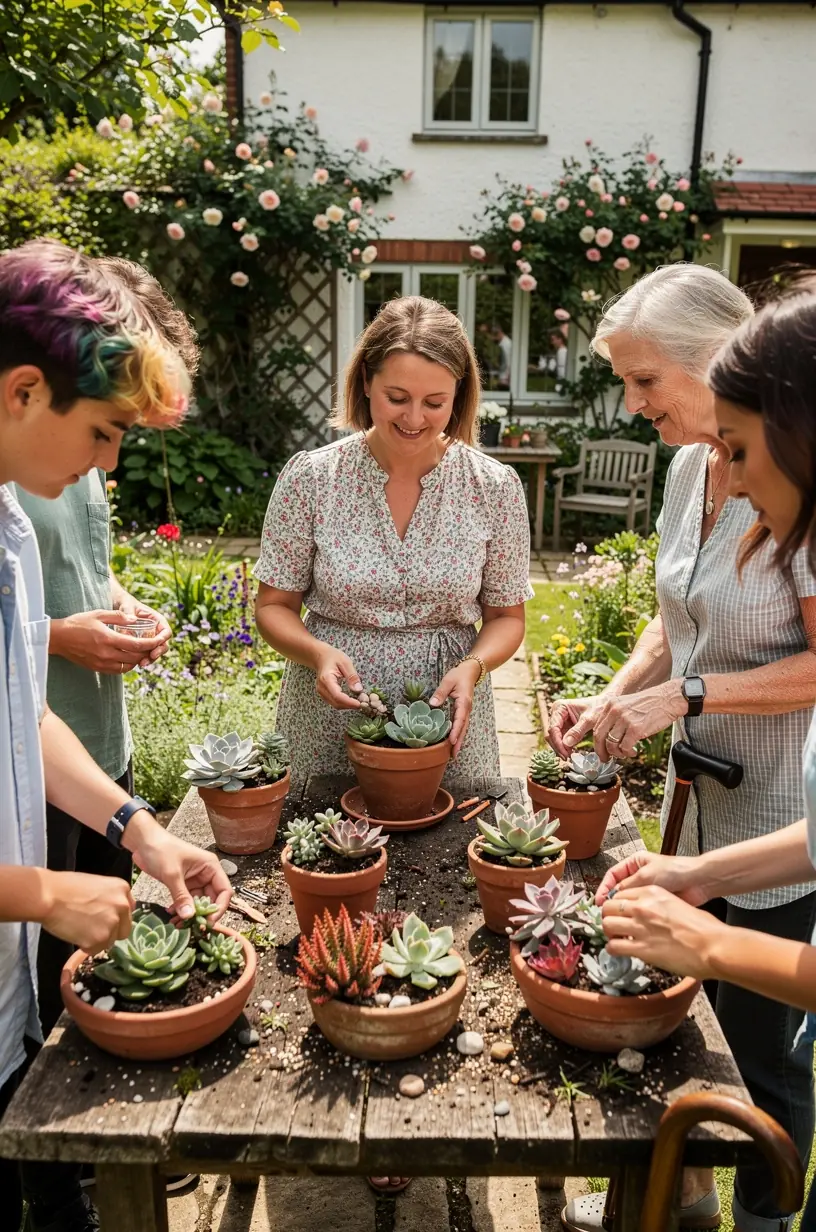
As gardening enthusiasts, we know the importance of cultivating not just plants, but also a sense of community. Creating a welcoming space for gardeners can enhance social bonds and foster collaboration, leading to richer gardening experiences.
Understanding the Importance of Community Spaces
According to studies, community gardens and gardening clubs can significantly improve social cohesion and psychological well-being among participants. Research indicates that engaging in gardening activities within a group setting can reduce stress levels and improve mood, which are essential for overall mental health.
"Community gardens do not just provide food; they foster community, enhance quality of life, and create a sense of belonging."
Key Elements of a Welcoming Space
To create a space that truly welcomes gardeners, consider the following elements:
- Accessibility: Ensure that your gardening space is easily accessible to everyone, regardless of physical ability. This may involve creating raised beds for those who may have difficulty bending down, or providing wide, smooth paths for wheelchair access.
- Comfortable Gathering Areas: Include seating options where members can relax and share gardening tips. Research shows that social interaction increases engagement, making gardening feel less like a chore and more like a pleasure.
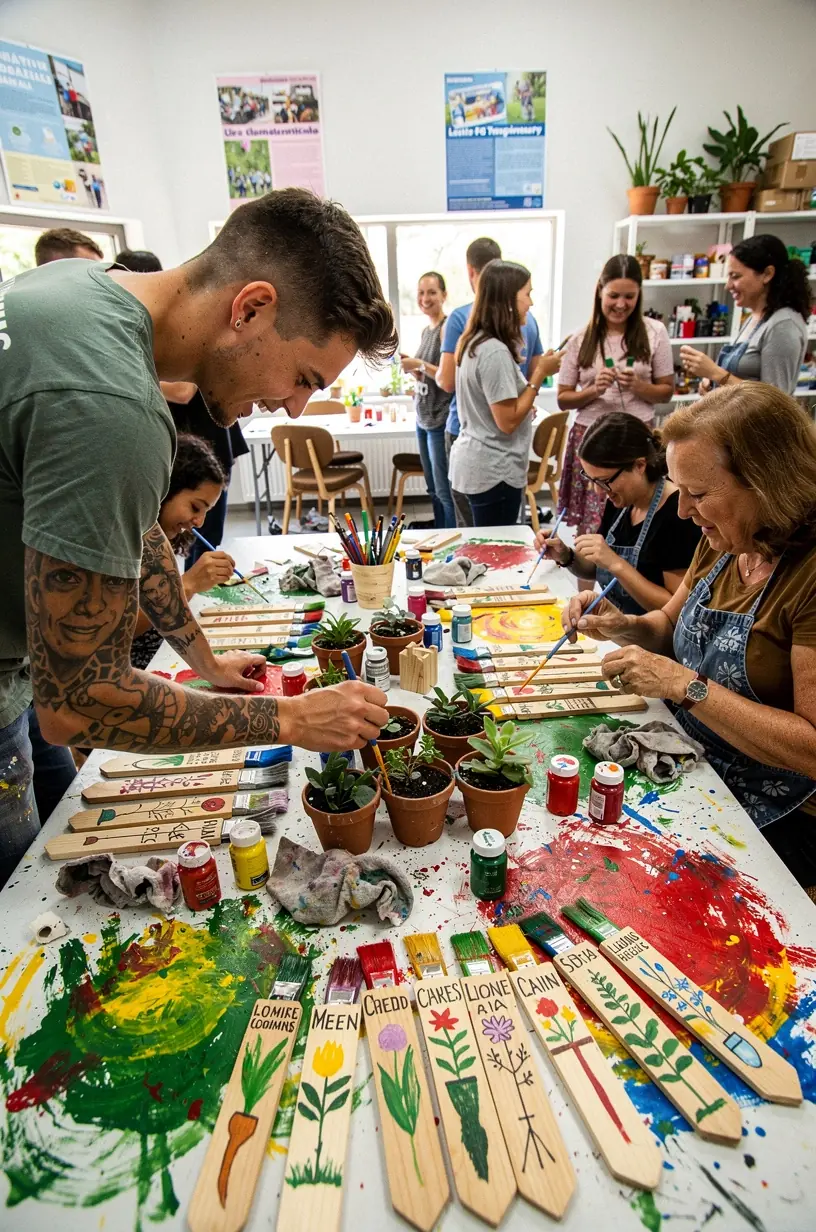
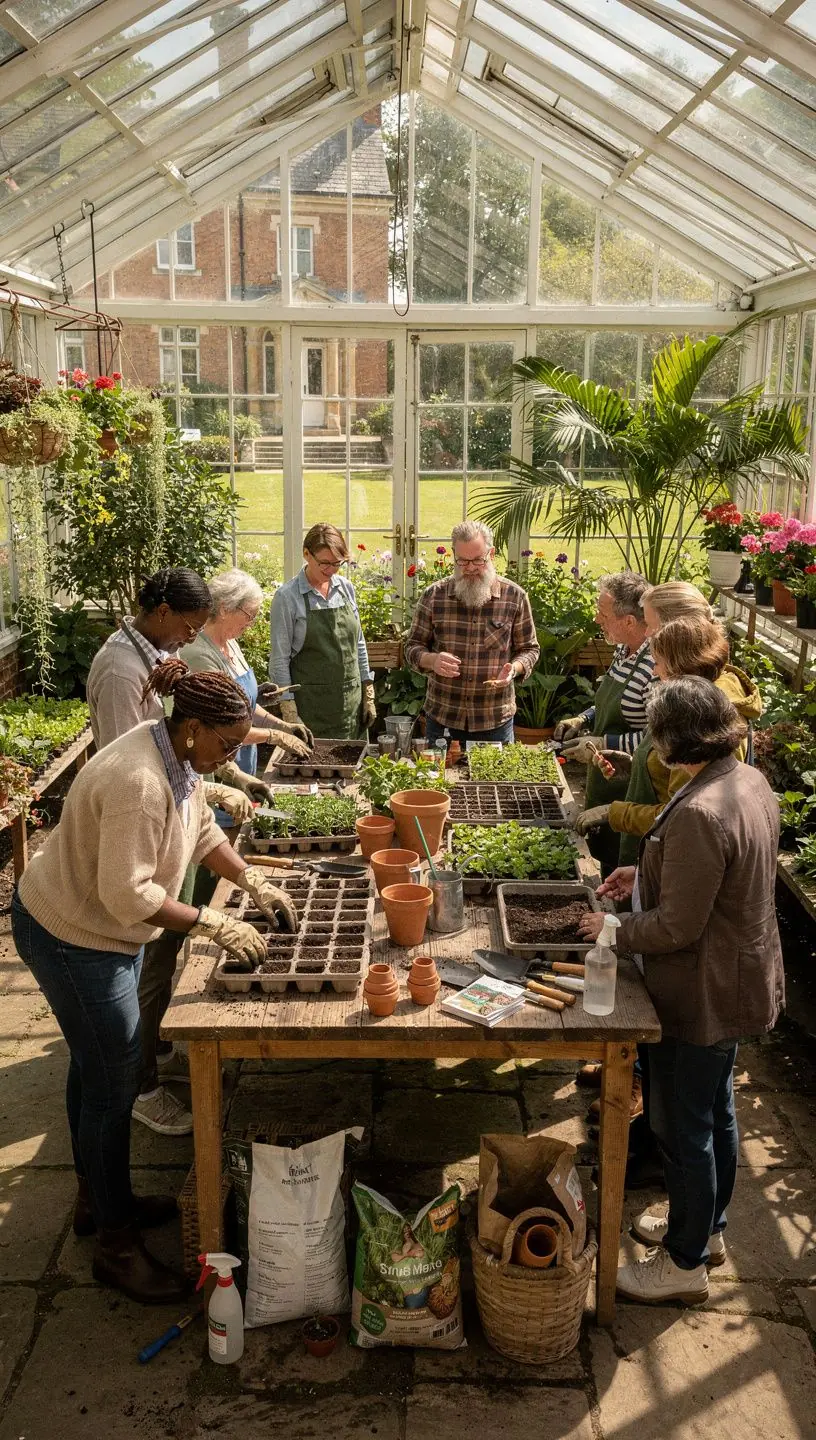
- Seasonal Workshops: Organizing seasonal workshops not only educates but also gathers the community together. Experts recommend offering workshops on various gardening techniques, plant care, and sustainable practices to cater to gardeners of all experience levels.
Planning Plant Exchange Events
Plant exchange events can be a delightful way to engage members and promote biodiversity. Here are some tips for organizing successful exchanges:
- Set Clear Guidelines: Clearly communicate what types of plants or seeds are welcome. This helps prevent the spread of pests and diseases, ensuring a healthier exchange.
- Time Commitment: A well-organized event typically requires several weeks of preparation, including advertising and coordinating with participants. Many users report that planning ahead leads to a more enjoyable experience.
- Encourage Sharing of Knowledge: Alongside plant exchanges, encourage participants to share their gardening experiences. This can be facilitated through informal discussions or structured Q&A sessions.
Creating a Sense of Belonging
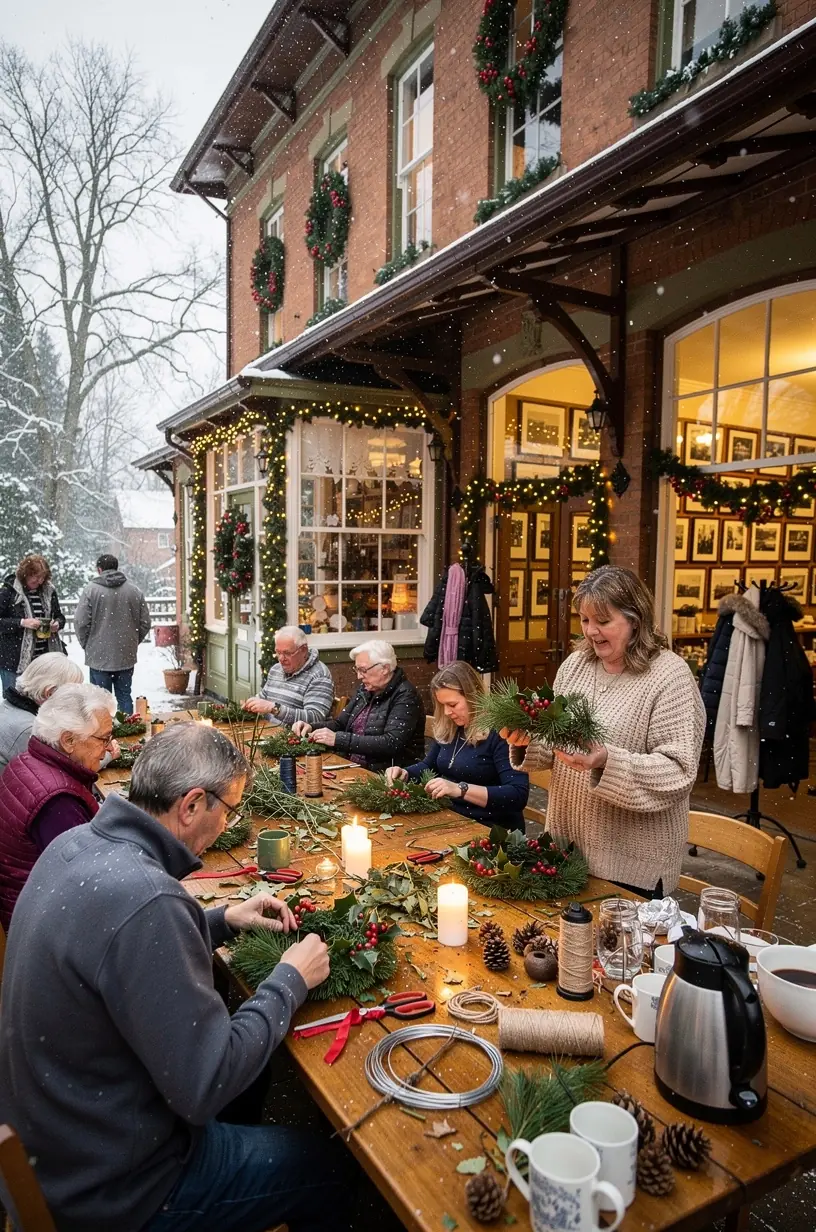
Creating a welcoming space is not just about the physical environment; it's also about fostering relationships. Incorporate activities that allow members to connect beyond gardening, such as social events or community dinners. This can significantly enhance the overall experience and encourage long-term engagement.
Conclusion
Creating a welcoming space for gardeners can greatly enhance the gardening experience, foster community spirit, and promote personal well-being. By focusing on accessibility, comfort, and social interaction, gardening clubs can cultivate an environment where everyone feels valued and encouraged to participate. While these efforts require time and dedication, the resulting community bonds and joyful experiences can be truly rewarding.
Learn More