Incorporating Sustainability in Gardening Workshops
Gardening clubs play a vital role in fostering community engagement and promoting sustainable practices. This article explores how to incorporate sustainability into gardening workshops, providing practical insights for creating environmentally friendly events.
Understanding the Importance of Sustainability in Gardening
According to research, the gardening sector contributes significantly to carbon emissions, primarily through the use of synthetic fertilizers and pesticides. By adopting sustainable practices, gardeners can not only reduce their environmental impact but also enhance the health of their gardens. Experts recommend implementing organic gardening techniques as they can improve soil health and promote biodiversity.
"Sustainable gardening practices can lead to a healthier ecosystem, benefiting both plants and the broader environment." - Gardening Expert
Key Sustainable Practices to Incorporate in Workshops
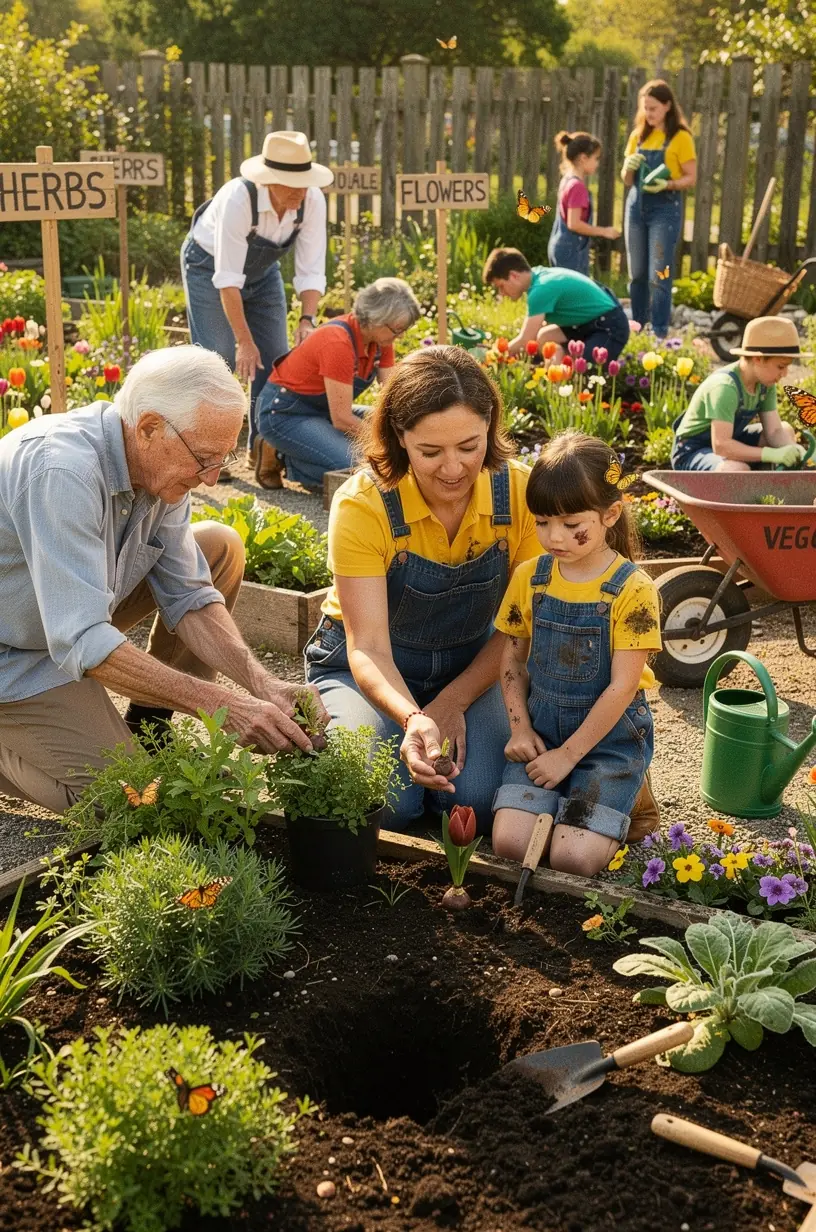
- Composting: Teaching participants how to create a compost bin can significantly reduce organic waste. Studies show that composting can reduce landfill waste by 30%, making it a practical and effective approach.
- Crop Rotation: Introducing crop rotation techniques can help maintain soil fertility and reduce the risk of pests. This method typically requires a commitment to planning, as it involves changing the location of crops annually.
- Native Plant Selection: Encouraging the use of native plants can minimize the need for fertilizers and pesticides. Many users report that native plants are more resilient and require less maintenance, making them a reliable choice for sustainable gardening.
Creating a Sustainable Workshop Framework
When planning a gardening workshop, it is essential to create a framework that emphasizes sustainability:
- Set Clear Goals: Define what you want to achieve by incorporating sustainability into your workshop. For instance, you may aim to cover specific sustainable practices or showcase local biodiversity.
- Provide Educational Materials: Use resources such as brochures or digital presentations to educate participants about the importance of sustainability in gardening. Educational materials should highlight practical steps and expected outcomes.
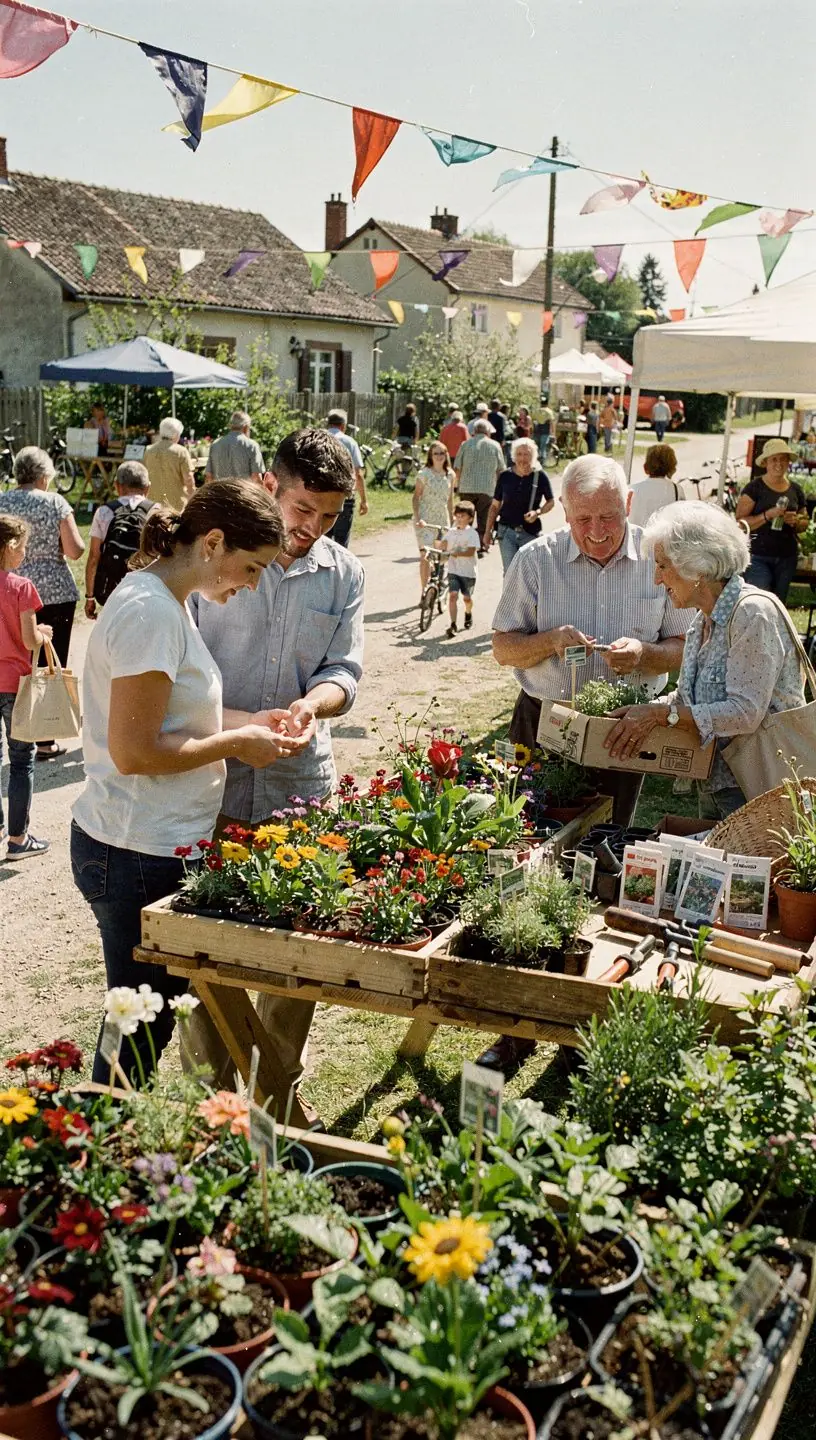
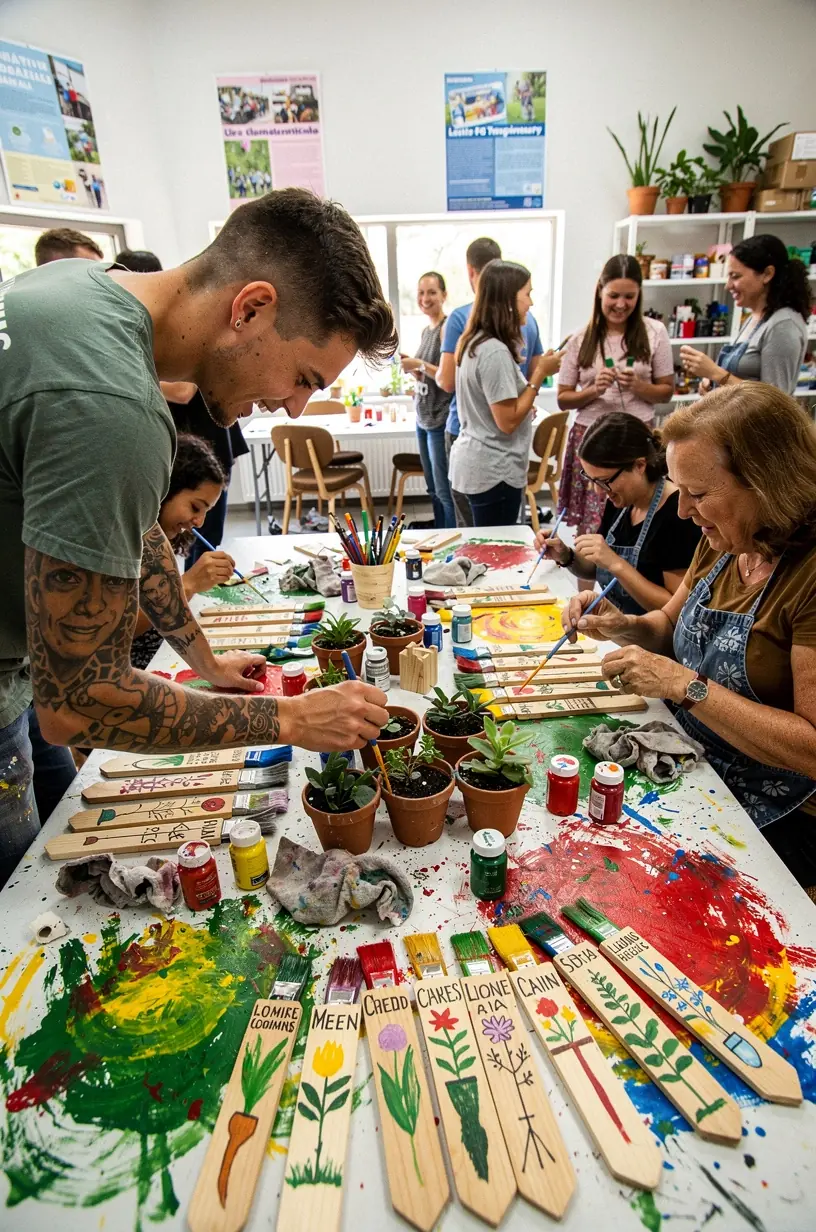
- Encourage Participation: Engage participants through hands-on activities that emphasize sustainable methods. For instance, a plant exchange event could incorporate guidelines for sustainable plant care and nurturing.
Challenges and Considerations
Implementing sustainable practices in gardening workshops may present challenges:
- Time Commitment: Many sustainable gardening techniques require more time and dedication compared to conventional methods. Typically, results from these approaches may not be immediate, taking several growing seasons to fully realize.
- Knowledge Base: Participants may have varying levels of experience with gardening. As such, workshops should be tailored to accommodate beginners while still providing advanced techniques for seasoned gardeners.
- Resource Availability: Access to organic materials and sustainable gardening tools can be limited in some areas. It is important to provide alternative solutions and resources to ensure all participants can apply what they learn.
Conclusion
Incorporating sustainability into gardening workshops not only enhances the learning experience but also empowers participants to make environmentally conscious decisions in their gardening practices. By focusing on practical, actionable insights and setting realistic expectations, gardening clubs can foster a culture of sustainability that benefits the community and the environment alike.