The Role of Community Gardening Clubs
Community gardening clubs have become a significant part of the social fabric in many regions, particularly in Great Britain. These clubs not only foster a sense of community but also provide numerous practical benefits for local residents interested in gardening. This article explores the multifaceted roles these clubs play and how they can positively impact individual gardeners and the community at large.
Understanding the Importance of Community Gardening Clubs
Community gardening clubs typically serve as dedicated spaces where individuals can come together to share knowledge, resources, and experience regarding gardening. According to research from the Royal Horticultural Society, community gardening can enhance mental well-being and improve social interactions among members, making it an invaluable resource for many.
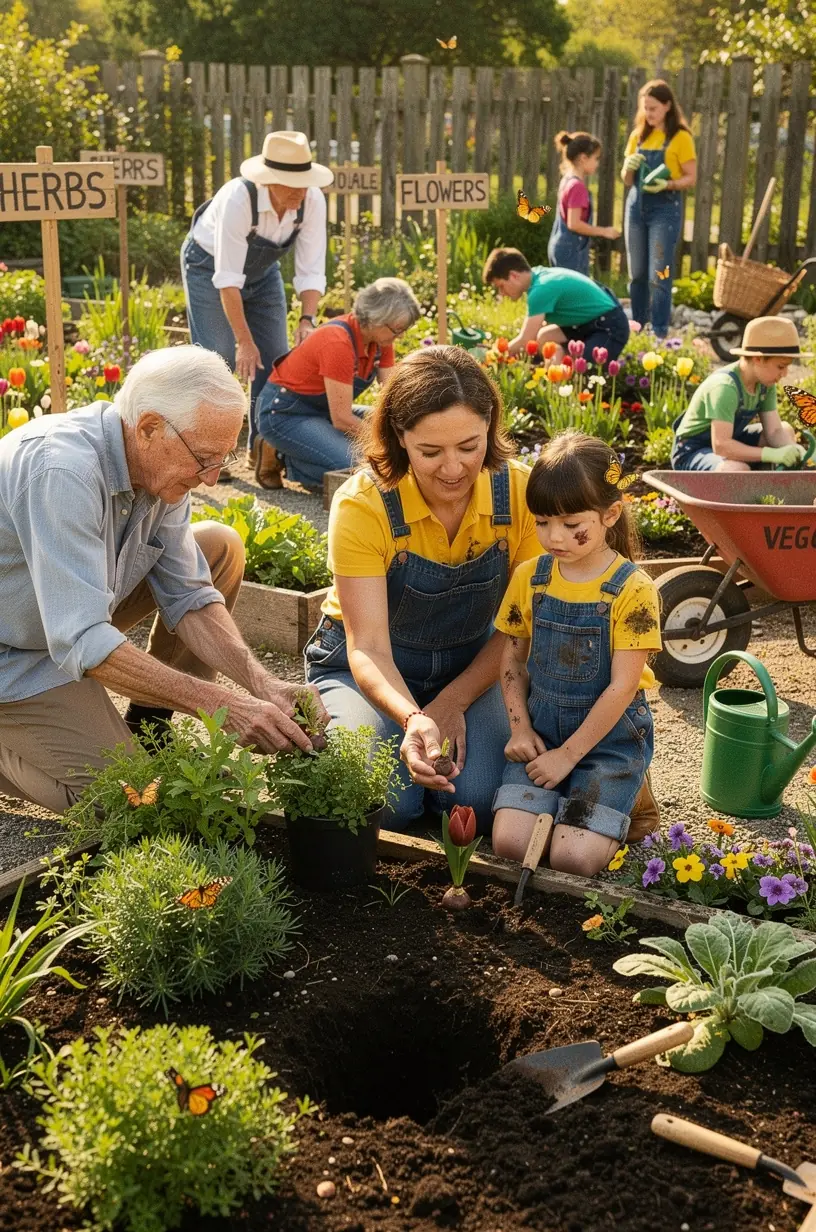
"Community gardening provides opportunities for social interaction and a sense of belonging, which can significantly improve mental health." - Royal Horticultural Society
Key Benefits of Participating in Gardening Clubs
- Shared Knowledge: Members often exchange tips and best practices, which can enhance gardening skills. Studies show that gardening knowledge can be more effectively learned through peer interaction.
- Physical and Mental Health: Engaging in gardening activities can provide moderate physical exercise which is beneficial for health. Experts recommend that even short gardening sessions can help alleviate stress and promote relaxation.
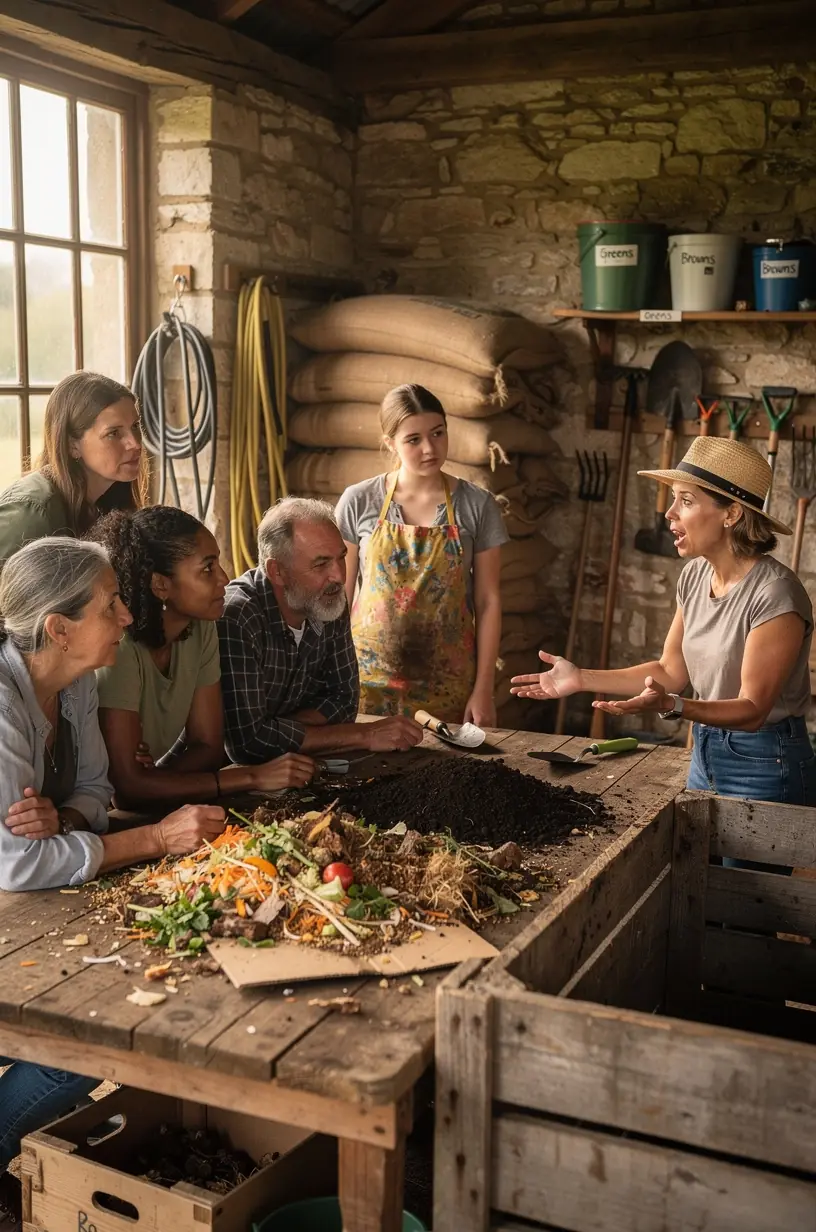
- Seasonal Workshops: Many gardening clubs host workshops that allow members to learn about seasonal planting techniques and pest management, providing hands-on experiences that can be more effective than traditional learning methods.
Events That Foster Community Spirit
Garden clubs often organize plant exchange events, which not only encourage biodiversity but also allow members to share their favorite plants with others. According to industry experts, such exchanges can introduce gardeners to new species they may not have encountered otherwise, enriching their gardening experience.
Timely Workshops
Seasonal workshops play a crucial role in educating members about the best practices relevant to different times of the year. Typically, these workshops cover:
- Spring planting preparations
- Summer maintenance techniques
- Autumn harvesting and winter preparation
Research suggests that structured educational opportunities within these clubs can lead to improved gardening outcomes, as members apply what they learn directly to their own gardens.
Challenges and Considerations
While community gardening clubs provide numerous benefits, it’s essential to acknowledge that they require a commitment of time and effort. Participation in club activities typically involves attending meetings, workshops, and events, which may not suit everyone’s schedule. Additionally, for those new to gardening, there can be a learning curve as they acclimate to the practices discussed in club settings.
Conclusion
In summary, community gardening clubs play a vital role in promoting gardening as a communal activity. They offer a structured environment where individuals can not only learn and grow their gardening skills but also foster meaningful connections with others. By engaging with these clubs, individuals can expect to enhance their gardening experience, contribute to their local community, and enjoy numerous physical and emotional benefits over time.