The Benefits of Joining Local Gardening Groups
Joining a local gardening club can be a rewarding experience that offers more than just a deepened appreciation for plants. In this article, we will explore how participating in such groups can enhance your gardening skills, foster community engagement, and provide opportunities for learning and sharing.
Understanding the Benefits
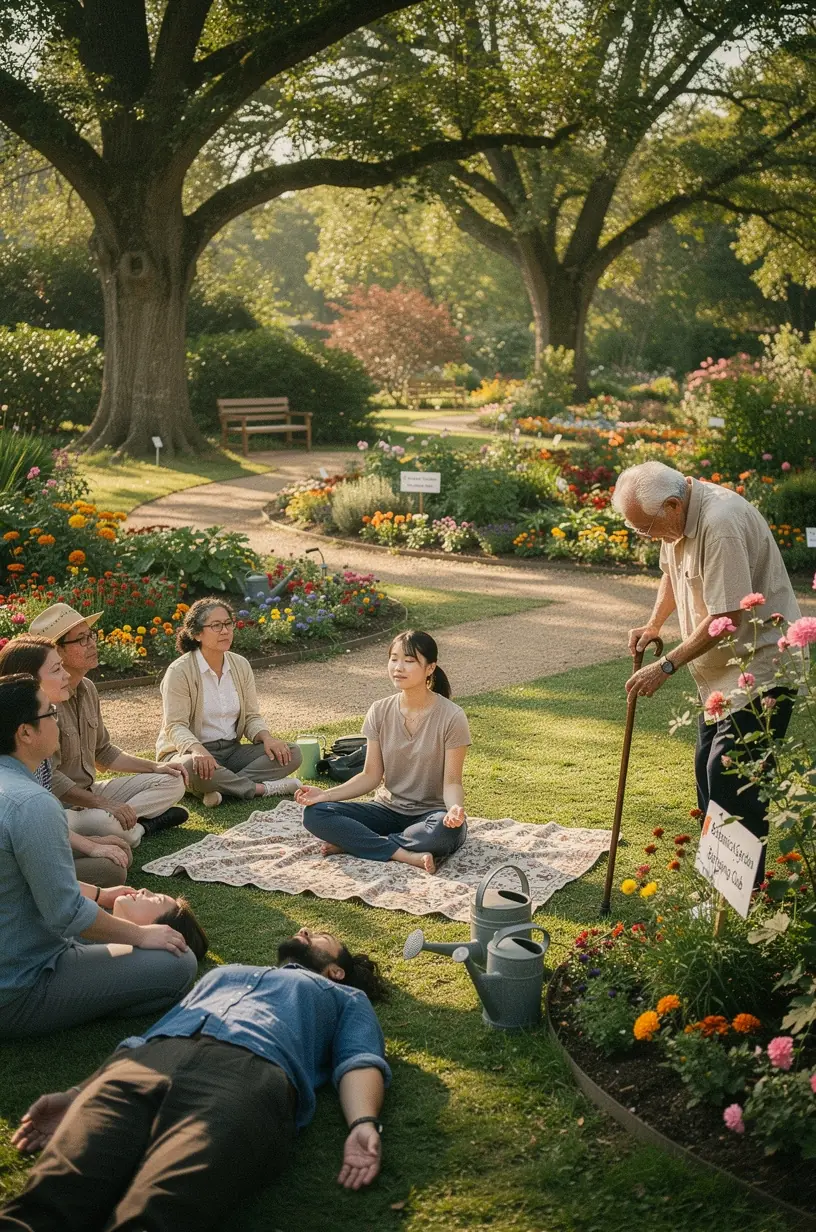
Local gardening groups often create a sense of community around shared interests, which can greatly enhance the gardening experience. According to research conducted by the National Garden Association, community involvement in gardening can lead to improved mental well-being and social connectedness. The principle behind this is simple: working with others towards a common goal fosters relationships and encourages sharing of knowledge.

"Community gardening promotes social interaction, a sense of belonging, and even improved mental health outcomes," according to experts in the field.
Skills Development through Workshops
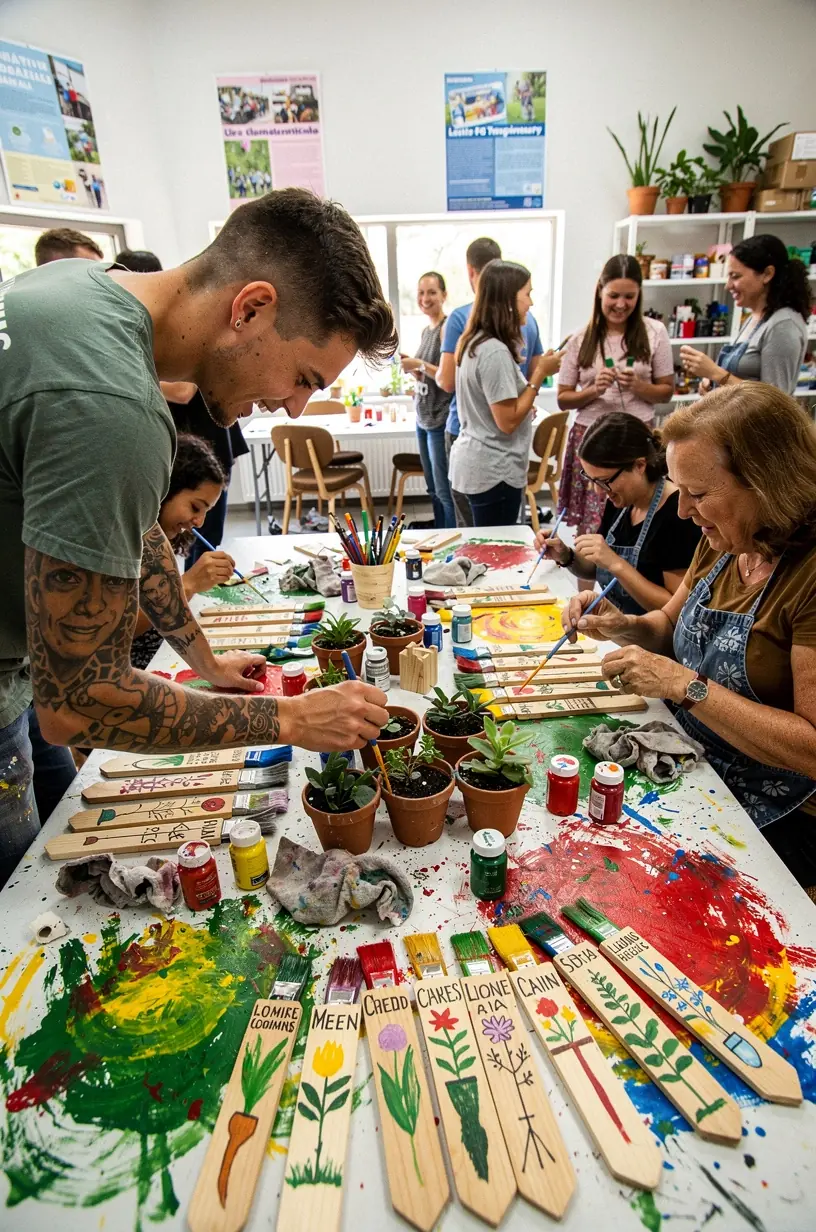
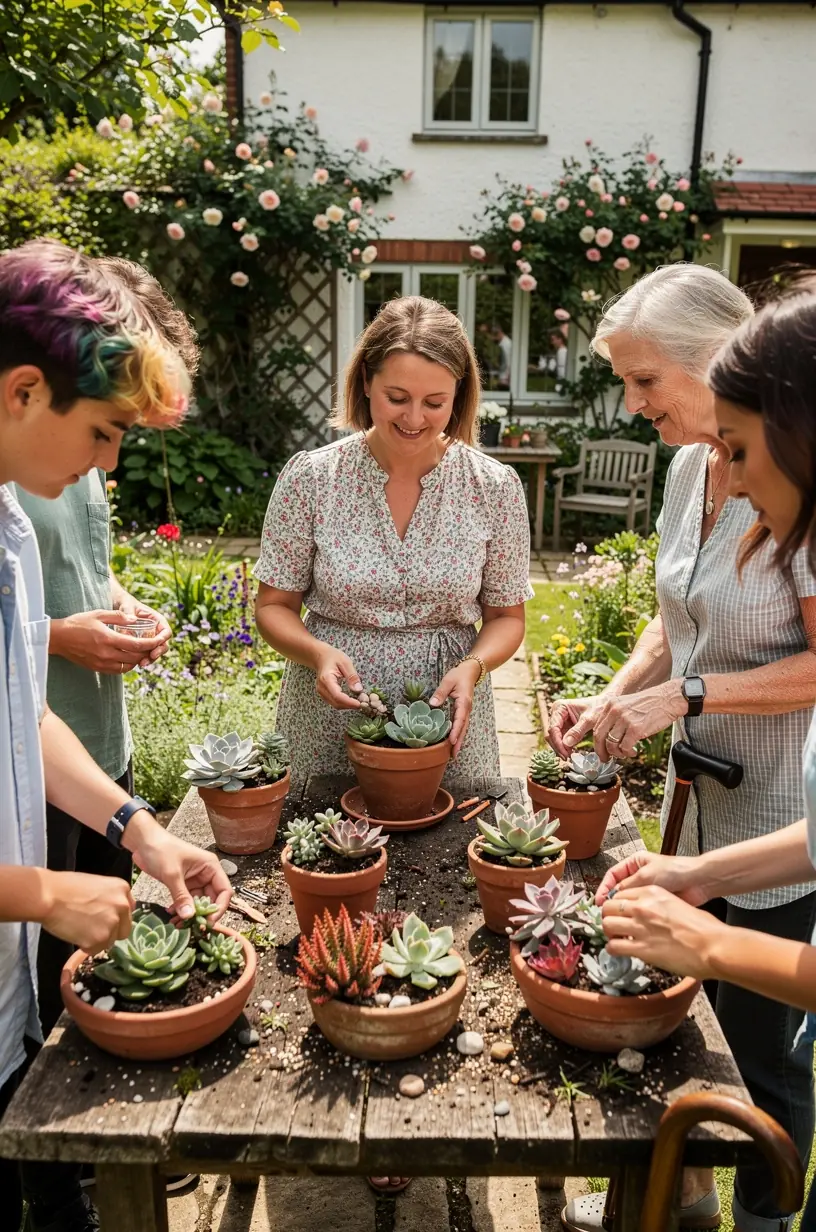
Many gardening clubs offer seasonal workshops that focus on various aspects of gardening, from organic practices to landscape design. These workshops are typically designed to accommodate beginners as well as experienced gardeners. Research indicates that hands-on learning, such as that provided in these workshops, can often lead to a more profound understanding of gardening techniques, facilitating skill acquisition effectively.
- Workshops can take place seasonally, focusing on timely topics like planting for spring or preparing gardens for winter.
- Many clubs provide access to experienced gardeners who can offer personalized advice and mentoring.
- Workshops often involve practical activities, which may improve retention of skills compared to traditional learning methods.
Plant Exchange Events: Sharing Resources
Participating in plant exchange events is another significant benefit of joining a gardening group. These events allow members to trade plants, seeds, and gardening resources, promoting biodiversity and offering a cost-effective way to enhance personal gardens. In most cases, members report satisfaction with both the variety of plants they've acquired and the communal spirit of sharing.
Experts recommend these exchanges not only for acquiring new plants but also for networking with fellow gardening enthusiasts, which can lead to lasting friendships and collaborations.
Time Commitment and Limitations
It is important to acknowledge that joining a gardening club typically requires a commitment of time and effort. Many clubs meet regularly, which may involve a few hours each month. Moreover, attending workshops and events can also require additional time investment.
While the benefits are notable, individuals who are particularly busy or unable to commit regularly may find it challenging to engage fully with club activities. Thus, it is advisable to consider your personal schedule and interest level before joining.
Conclusion
In conclusion, joining a local gardening group can be a fruitful experience, offering education, community, and a chance to grow your gardening skills. By participating in workshops and events, members can enhance their knowledge while enjoying the social benefits of being part of a community. While it requires a realistic commitment of time and involvement, the long-term rewards of joining a gardening club often outweigh the effort.
Learn More