Tips for Facilitating Plant Swaps Successfully
Plant swaps can be an exciting way to diversify your garden and foster community among gardening enthusiasts. However, organizing a successful swap requires careful planning and execution. This article presents practical tips to help you facilitate plant swaps effectively, ensuring a rewarding experience for all participants.
Understanding the Basics of Plant Swaps
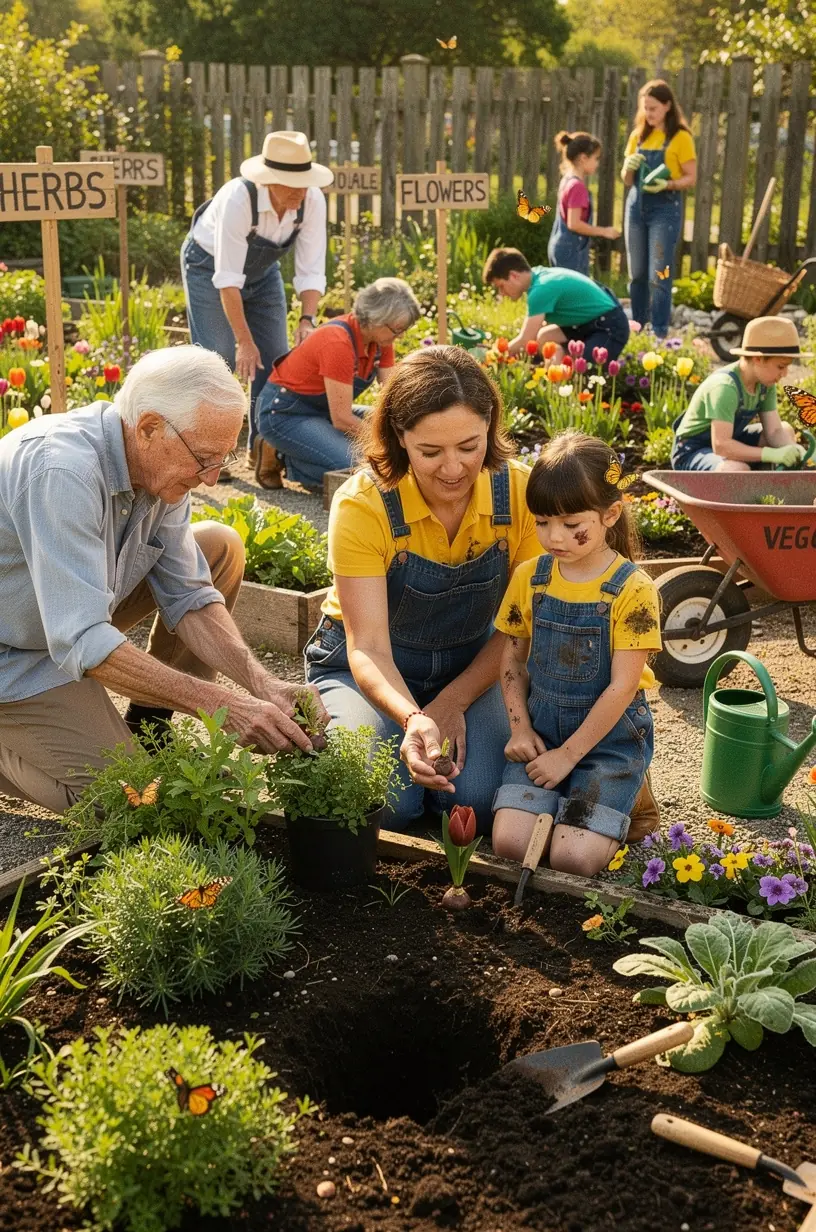
Plant swaps often involve exchanging plants, seeds, or cuttings among members of a gardening club or community. According to the Royal Horticultural Society, these events not only help in sharing gardening resources but also promote biodiversity and sustainable gardening practices. Experts recommend that successful swaps are built on clear guidelines and effective communication among participants.

"The principle behind plant swaps is to create a community of sharing, which can lead to healthier gardens and enriched gardening knowledge."
Preparing for a Successful Swap
Preparation plays a crucial role in the success of a plant swap. Here are some actionable steps to ensure a smooth experience:
- Set Clear Guidelines: Clearly outline the rules regarding what plants are acceptable for exchange, as well as any restrictions on invasive species. This helps prevent confusion and ensures the health of the local ecosystem.
- Choose an Appropriate Venue: Select a physical space that can accommodate the expected number of participants. Ensure there is enough room for displaying plants and facilitating discussions.
- Schedule a Timeframe: Plant swaps typically last several hours. Schedule enough time for participants to browse, ask questions, and make exchanges. Aim for weekends or evenings when most people are available.
Promoting the Event
Effective promotion can significantly enhance participation in your plant swap. Consider the following strategies:
- Utilize Social Media: Platforms like Facebook and Instagram can be effective for reaching a wider audience. Create an event page and share updates leading up to the swap.
- Engage Local Communities: Reach out to local gardening clubs, community centers, and schools to spread the word. Flyers and posters in these venues can attract more participants.
- Email Newsletters: If your gardening club has an email list, send a newsletter detailing the swap, including its purpose, date, and venue. This method often elicits a stronger response from committed members.
During the Swap
On the day of the swap, it's essential to maintain a welcoming environment. Here are some tips:
- Have a Registration Area: Set up a check-in table where participants can register and receive name tags. This helps create a friendly atmosphere and fosters introductions among attendees.
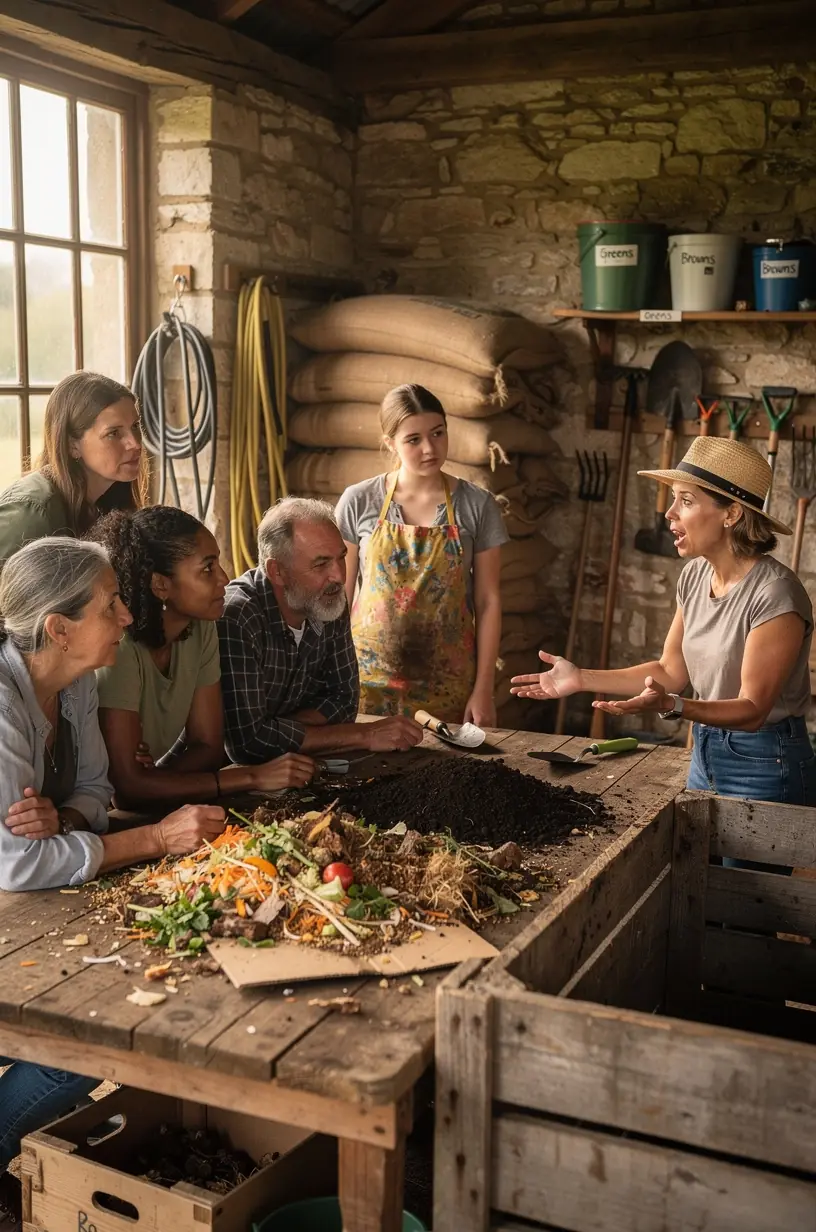
- Encourage Sharing Knowledge: Facilitate discussions where participants can share tips about their plants. This adds educational value to the swap and enhances community bonding.
- Provide Resources: Consider offering informational pamphlets on plant care or local gardening clubs. This encourages participants to engage further with gardening.
Conclusion
Facilitating a successful plant swap requires thoughtful planning, effective promotion, and active engagement during the event. By following these guidelines, you can create a rewarding experience that not only benefits individual gardeners but also strengthens community ties. Remember, the goal is to foster a spirit of sharing and learning, contributing to a vibrant gardening culture.