How to Organize Seasonal Workshops Effectively
Organizing seasonal workshops can be a rewarding endeavor for gardening clubs, providing opportunities for community engagement and skill development. However, successful execution requires thoughtful planning and consideration. This article discusses effective strategies for organizing seasonal workshops that resonate with participants and enhance their gardening knowledge.
Understanding the Importance of Workshops
Seasonal workshops serve as a platform for members to learn new skills, share knowledge, and connect with fellow gardening enthusiasts. According to the Royal Horticultural Society, workshops can significantly boost community involvement and foster a greater appreciation for plants and gardening techniques. These workshops not only help participants gain practical skills but also create a sense of community.

"Gardening workshops can increase participant engagement and knowledge sharing, strengthening community bonds." - RHS Study
Planning Your Workshop
Effective planning is crucial for a successful workshop. Here are some key steps to consider:
- Define Objectives: Clearly outline the goals of your workshop. Are you focusing on specific gardening techniques, sustainable practices, or seasonal planting? Setting defined objectives helps ensure your workshop meets the needs of your audience.
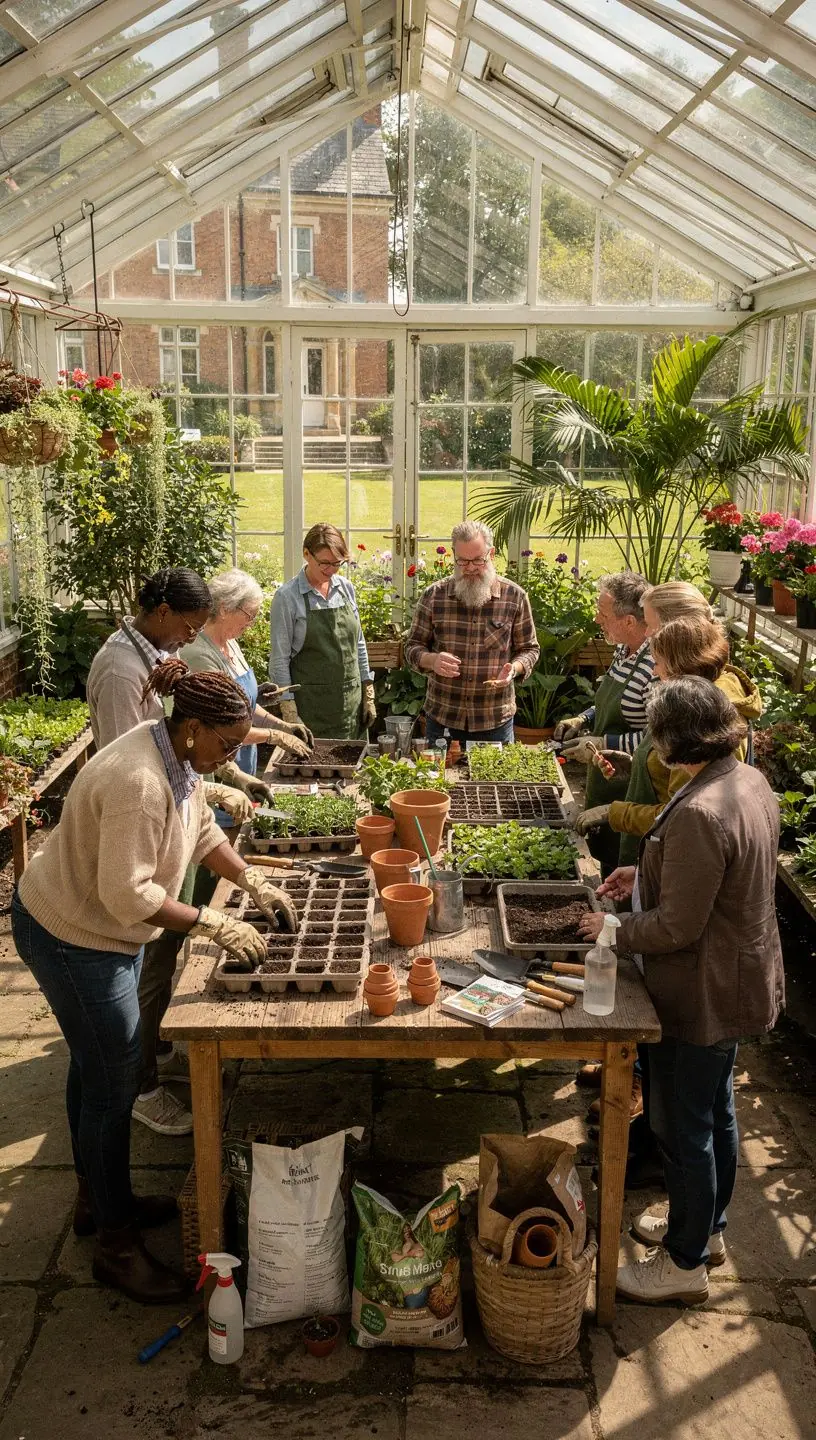
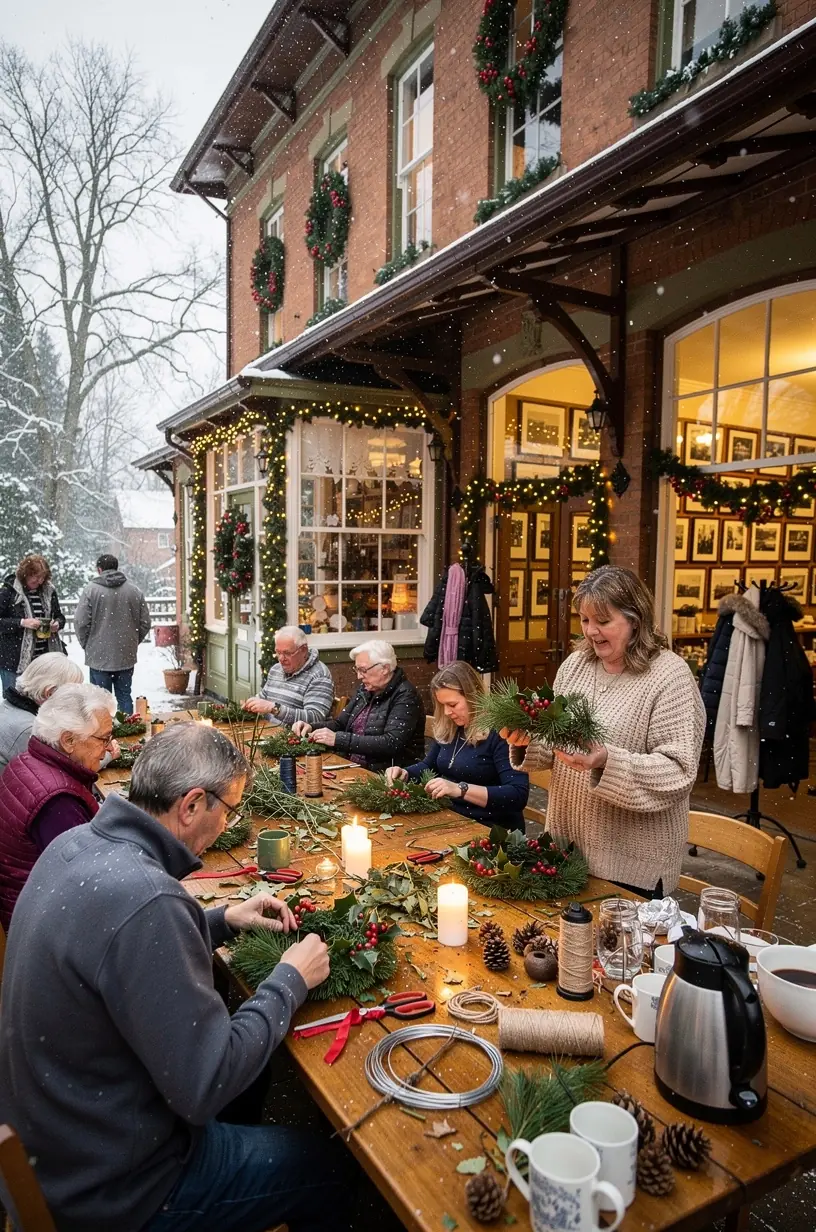
- Select Relevant Topics: Choose topics that resonate with the current gardening season. For instance, spring workshops could focus on seed starting and planting techniques, while autumn might emphasize harvesting and preparing for winter. Industry experts suggest aligning workshop content with seasonal gardening cycles to maintain relevance and engagement.
- Choose the Right Venue: Assess your available space and ensure it can accommodate participants comfortably. Outdoor spaces with ample sunlight and room for hands-on activities are often preferred. However, indoor venues should be adequately ventilated and equipped with necessary tools and resources.
Engaging Participants During Workshops
Keeping participants engaged is essential for the success of any workshop. Incorporate interactive elements such as:
- Hands-On Activities: Research shows that practical activities significantly enhance learning experiences. Participants often retain information better when they can practice skills in real-time.
- Q&A Sessions: Encourage questions and discussions. This interaction allows participants to clarify doubts and exchange insights, creating a richer learning environment.
- Networking Opportunities: Designate time for informal networking, allowing participants to connect with one another. This can lead to lasting friendships and future collaborations within the gardening community.
Post-Workshop Follow-Up
After the workshop concludes, follow-up is crucial to maintain engagement and gather feedback:
- Surveys: Consider sending out surveys to participants to gather feedback about their experience and suggestions for improvement. Studies show that organizations that actively seek feedback improve participant satisfaction.
- Resource Sharing: Provide participants with additional resources such as handouts, links to informative websites, or suggested readings. This not only reinforces the learning experience but also shows that you value their ongoing education.
- Continuing Engagement: Keep participants informed about upcoming workshops or events. Many users report feeling more connected to a gardening club when they consistently receive updates and invitations to future activities.
Conclusion
Organizing seasonal workshops effectively requires planning, engagement, and follow-up. By setting clear objectives, selecting relevant topics, and incorporating interactive elements, gardening clubs can create enriching experiences for participants. Remember, the goal is to foster learning and community ties, and while challenges may arise, thoughtful preparation can lead to successful outcomes. With these strategies, your gardening workshops can thrive and become a cherished part of your community’s seasonal activities.
Learn More