Planning Educational Events for Gardening Enthusiasts
Organizing educational events for gardening enthusiasts can greatly enhance community engagement and knowledge sharing. However, it's essential to approach this planning with realistic expectations and an understanding of effective methodologies.
Understanding the Basics
Educational events are crucial for fostering a sense of community among gardening enthusiasts. According to experts in horticulture, these gatherings often lead to increased knowledge and improved gardening practices. For instance, studies indicate that hands-on workshops can improve participants' gardening skills by as much as 30% compared to traditional classroom settings.
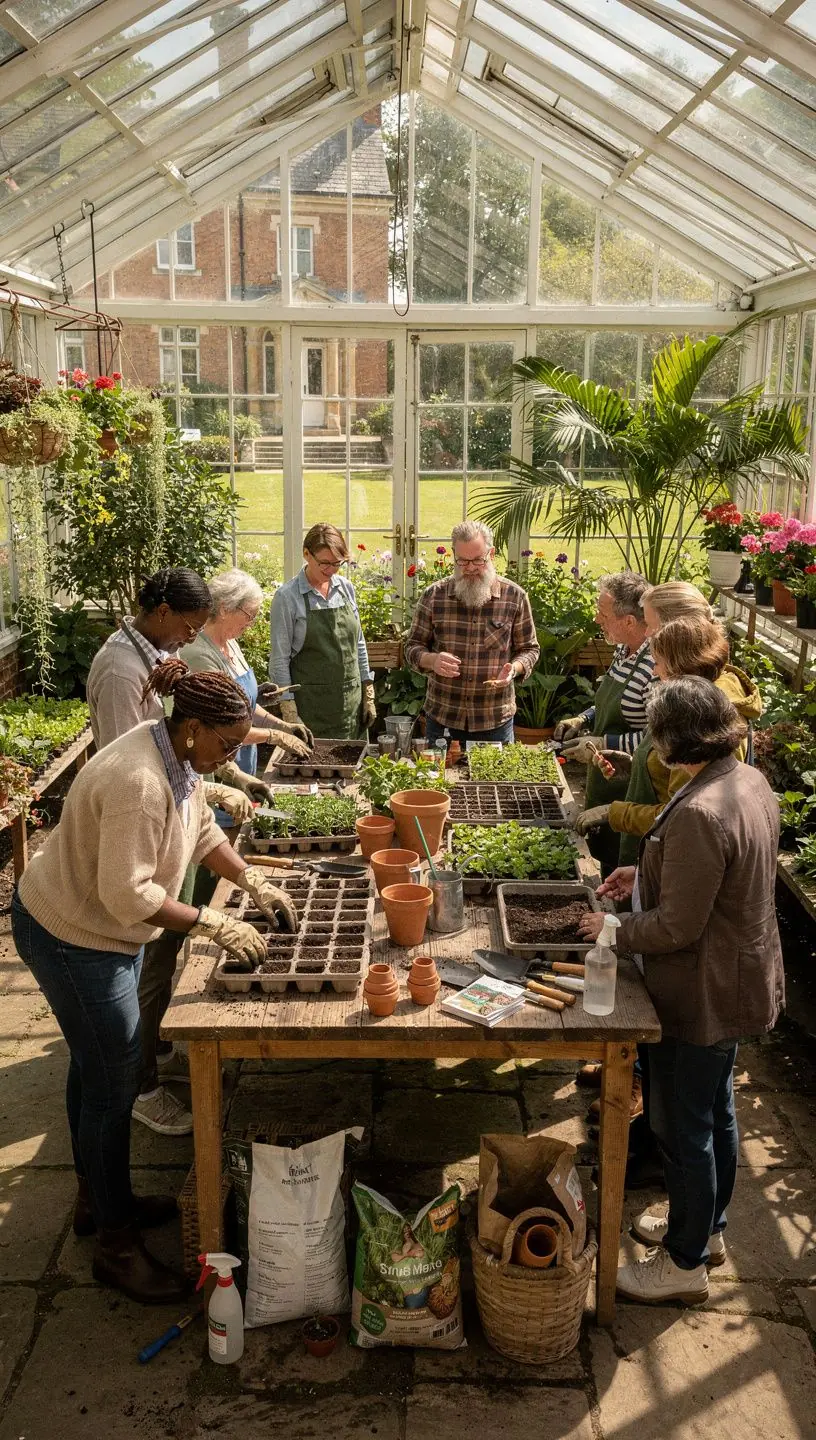
"Educational workshops not only enhance skills but also foster a sense of community among participants." - Horticultural Research Institute
Identifying Objectives
Before planning an event, it's crucial to identify clear objectives. Consider what topics will resonate most with your audience. Common objectives might include:
- Sharing knowledge about seasonal gardening practices.
- Demonstrating sustainable gardening techniques.
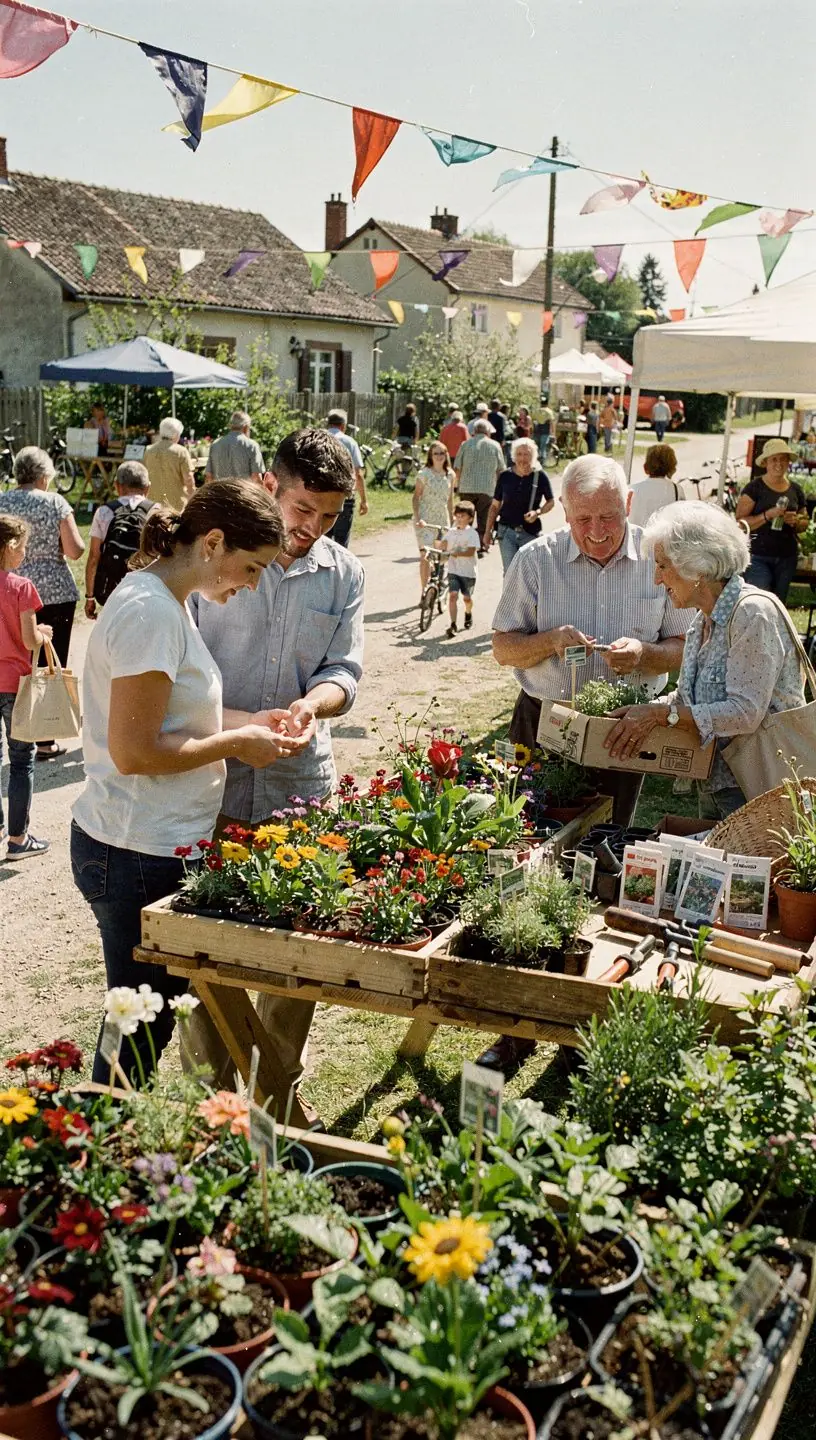
- Facilitating plant exchanges among community members.
- Providing hands-on training for specific gardening skills.
Practical Application
Once objectives are set, the next step is to outline the structure and logistics of your event. Here are some recommendations:
- Choose the Right Venue: Select a physical space that is accessible and conducive to learning, such as a community garden or local hall. This typically involves securing the venue at least 4-6 weeks in advance, as popular spaces may fill up quickly.
- Engage Knowledgeable Speakers: Industry experts or experienced gardeners can share valuable insights. Experts recommend inviting speakers who can not only present information but also interact with participants, making the learning process more engaging.
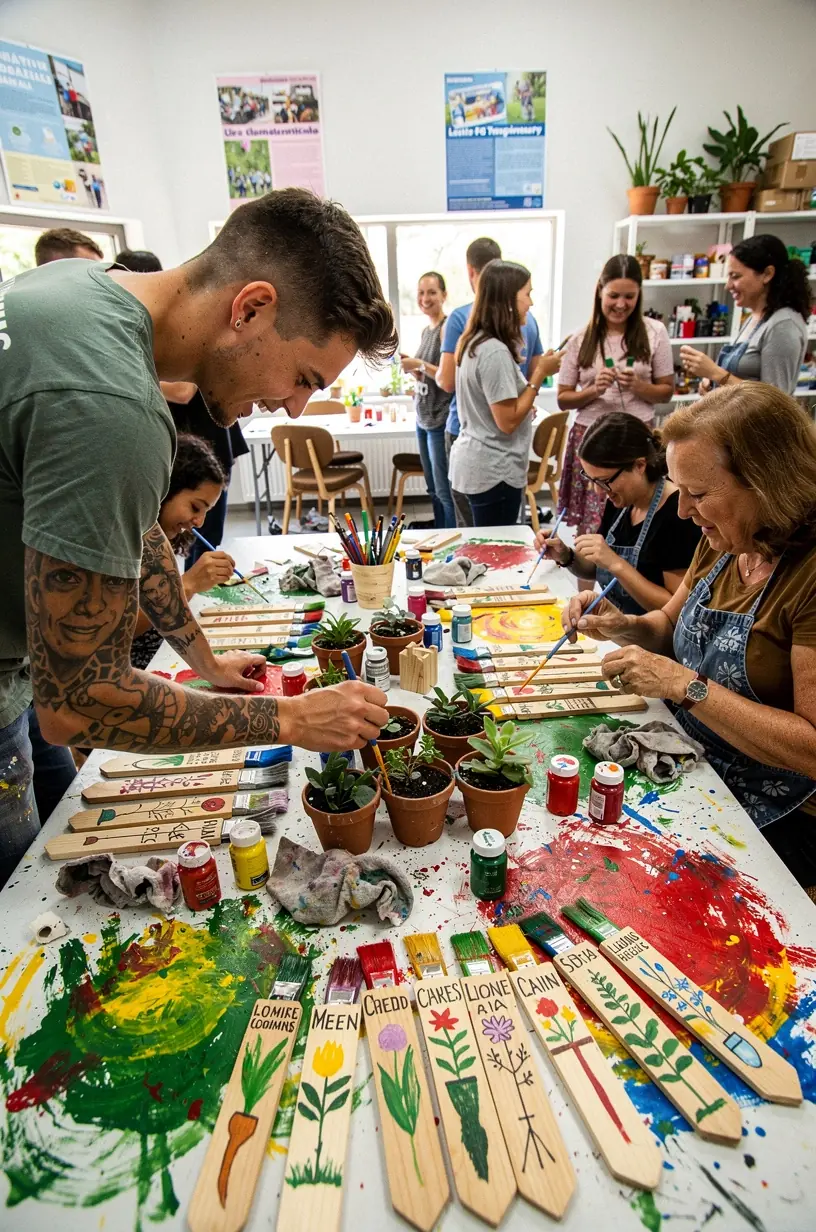
- Incorporate Hands-On Activities: Practical activities allow participants to apply what they've learned in real-time. Research shows that experiential learning often leads to better retention of information.
- Gather Feedback: After the event, solicit feedback from participants to understand what worked well and what could be improved. This helps refine future events and better meet the community’s needs.
Promoting the Event
Effective promotion is key to ensuring a good turnout. Utilize social media platforms, local community boards, and gardening clubs to spread the word. Many users report that visual content, such as photos from previous events, can significantly boost interest.
Acknowledging Limitations
While planning educational events can yield significant benefits, it is essential to acknowledge potential challenges. Organizing such events typically requires considerable time and effort, often spanning several weeks of planning and coordination. Additionally, complex topics may require prior knowledge, making it important to tailor content to the audience’s skill level.
Conclusion
Planning educational events for gardening enthusiasts can be a rewarding endeavor that fosters community spirit and enhances gardening knowledge. By setting clear objectives, engaging knowledgeable speakers, and incorporating hands-on activities, gardening clubs can create valuable experiences for their members. Remember to gather feedback for continual improvement and ensure that events align with the interests and needs of the community.