Exploring Native Plants in Local Gardening Clubs
Native plants play a crucial role in maintaining biodiversity and supporting local ecosystems. Gardening clubs across Great Britain are increasingly turning their attention to these plants, offering workshops and events focused on their benefits and cultivation. In this article, we will explore how local gardening clubs are incorporating native plants into their programmes, and how these initiatives can positively impact both members and the environment.
Understanding Native Plants
Native plants are species that have evolved within a specific region over thousands of years. According to research conducted by the Royal Horticultural Society, native plants are particularly well-suited to local soil and climate conditions, making them easier to grow and maintain. Many experts recommend incorporating native species into gardens, as they typically require less water and fertilizer compared to non-native varieties.
"Gardening with native plants not only supports local wildlife but also encourages a sustainable approach to gardening," says Dr. Jane Thompson, a leading ecologist.
The Role of Local Gardening Clubs
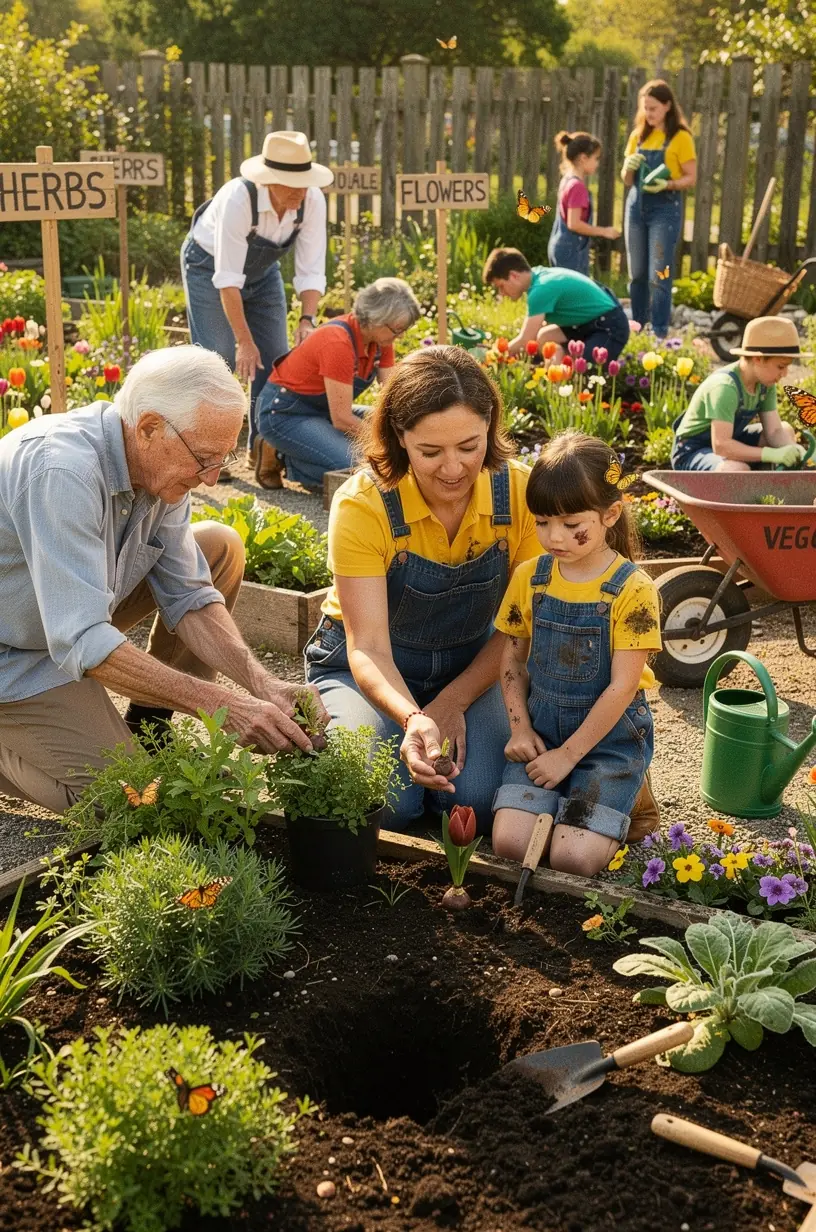
Local gardening clubs are vital in promoting the use of native plants. These clubs often host seasonal workshops focused on educating members about the importance of biodiversity and the specific benefits of native plants. Common topics include:
- Plant Identification: Learning to identify native species can enhance members' knowledge and appreciation of local flora.
- Cultivation Techniques: Workshops often cover effective methods for growing and caring for native plants, which can be less demanding than traditional gardening methods.
- Wildlife Support: Members learn how native plants provide essential habitat and food sources for local wildlife, including pollinators.
Seasonal Workshops and Plant Exchange Events
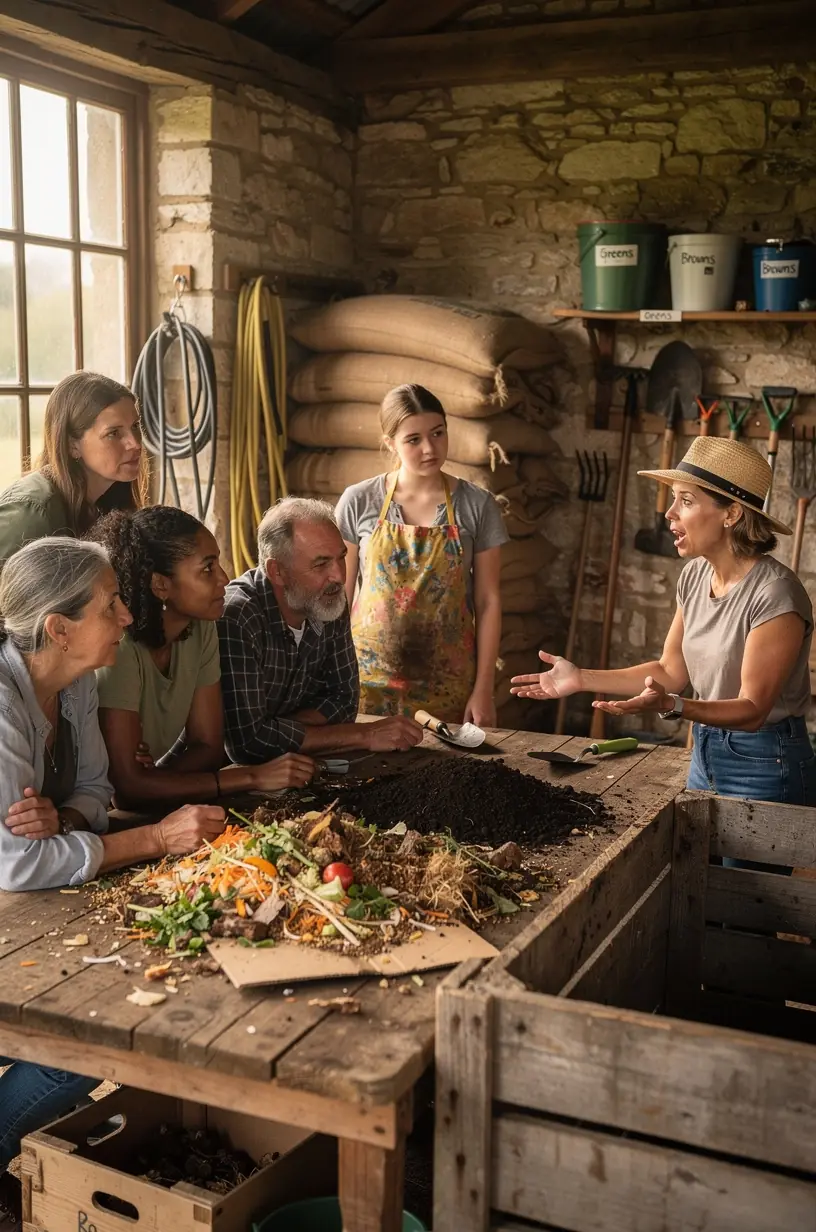
Many gardening clubs also organize seasonal workshops, where participants can engage in hands-on activities related to native plants. These workshops often feature:
- Designing Native Gardens: Participants can learn how to create attractive gardens that prioritize native species, which can enhance local ecosystems.
- Propagation Techniques: Members can discover how to propagate native plants, ensuring they can grow their own while contributing to local biodiversity.
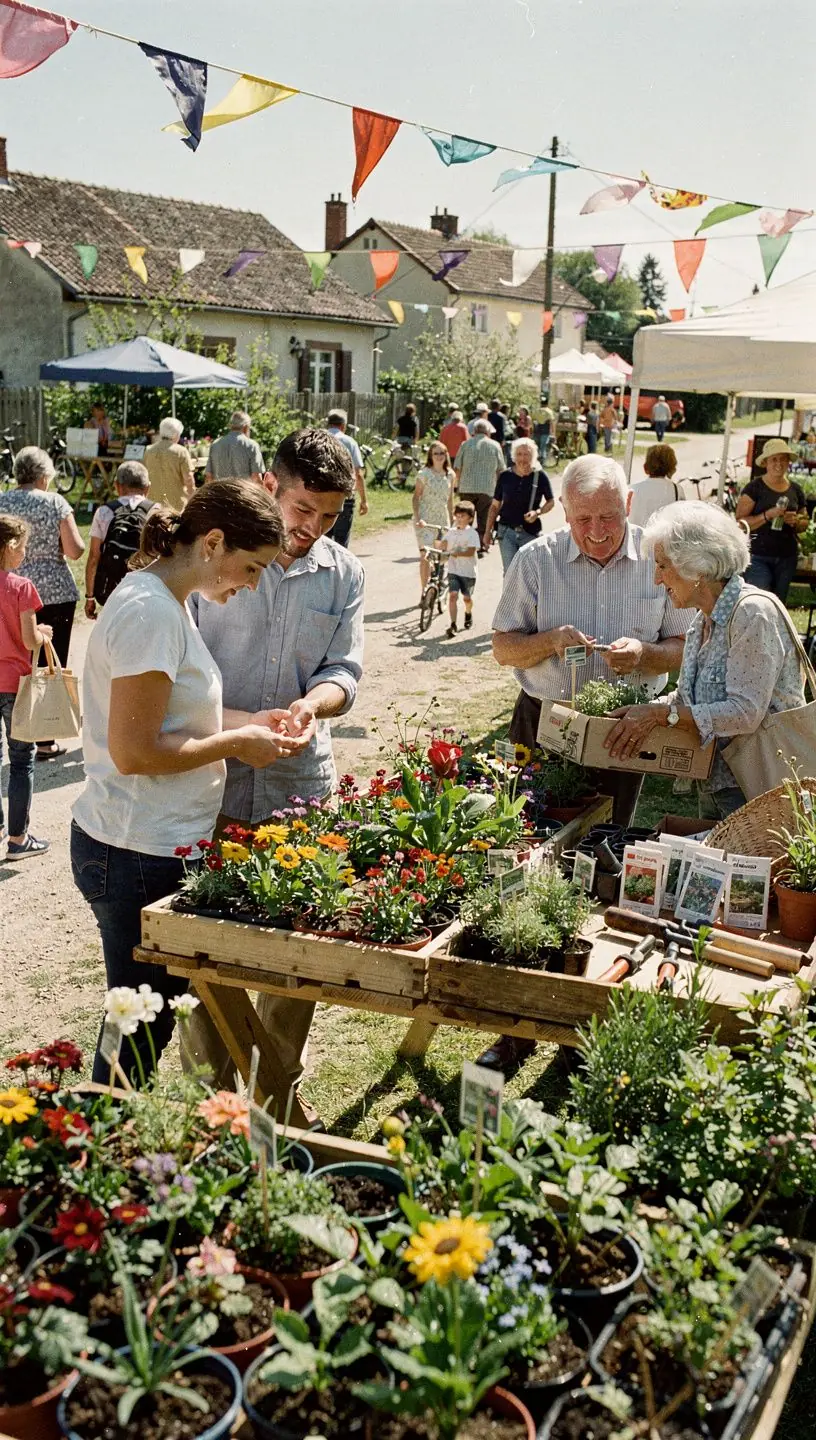
- Community Plant Exchanges: Clubs often host plant exchange events, allowing gardeners to share surplus native plants, thus promoting a sense of community and collaboration.
Research indicates that such community-driven initiatives can significantly increase the awareness and appreciation of native plants within local populations.
Challenges and Considerations
While the benefits of focusing on native plants are significant, there are some challenges to consider. Gardening with native plants often requires patience, as they may take longer to establish compared to non-natives. Additionally, participants may need to invest time in learning about local species and their specific needs. Typically, the transition to using native plants in a garden can take a full growing season, so it’s important for members to set realistic expectations.
Conclusion
Incorporating native plants into common gardening practices through local gardening clubs can yield numerous environmental and personal benefits. By participating in workshops and plant exchanges, members not only enhance their gardening skills but also contribute to local biodiversity. As many users report an increased satisfaction with their gardening experience when using native plants, it’s clear that these initiatives are an effective step towards more sustainable gardening practices.