Understanding Plant Exchange Etiquette
Participating in plant exchange events can be a rewarding experience for gardening enthusiasts. However, understanding the etiquette involved ensures that these gatherings remain enjoyable and beneficial for everyone involved.
The Importance of Plant Exchange Etiquette
Plant exchanges foster community engagement and promote biodiversity. According to research, sharing plants can enrich local ecosystems and allow for the preservation of various plant species. However, to maximize the positive impact of these events, participants should adhere to certain etiquettes.
"Etiquette in plant exchanges not only reflects respect for fellow gardeners but also enhances the overall experience." – Gardening Expert
Key Etiquette Guidelines for Plant Exchanges
- Do Your Research: Before attending a plant exchange, familiarize yourself with the types of plants you want to bring. Many users report that understanding the specific needs and preferences of the community can lead to more successful swaps.
- Bring Healthy Plants: It's crucial to offer only healthy plants free from pests and diseases. Experts recommend inspecting your plants thoroughly to ensure they meet these criteria, as unhealthy plants can jeopardize others' collections.
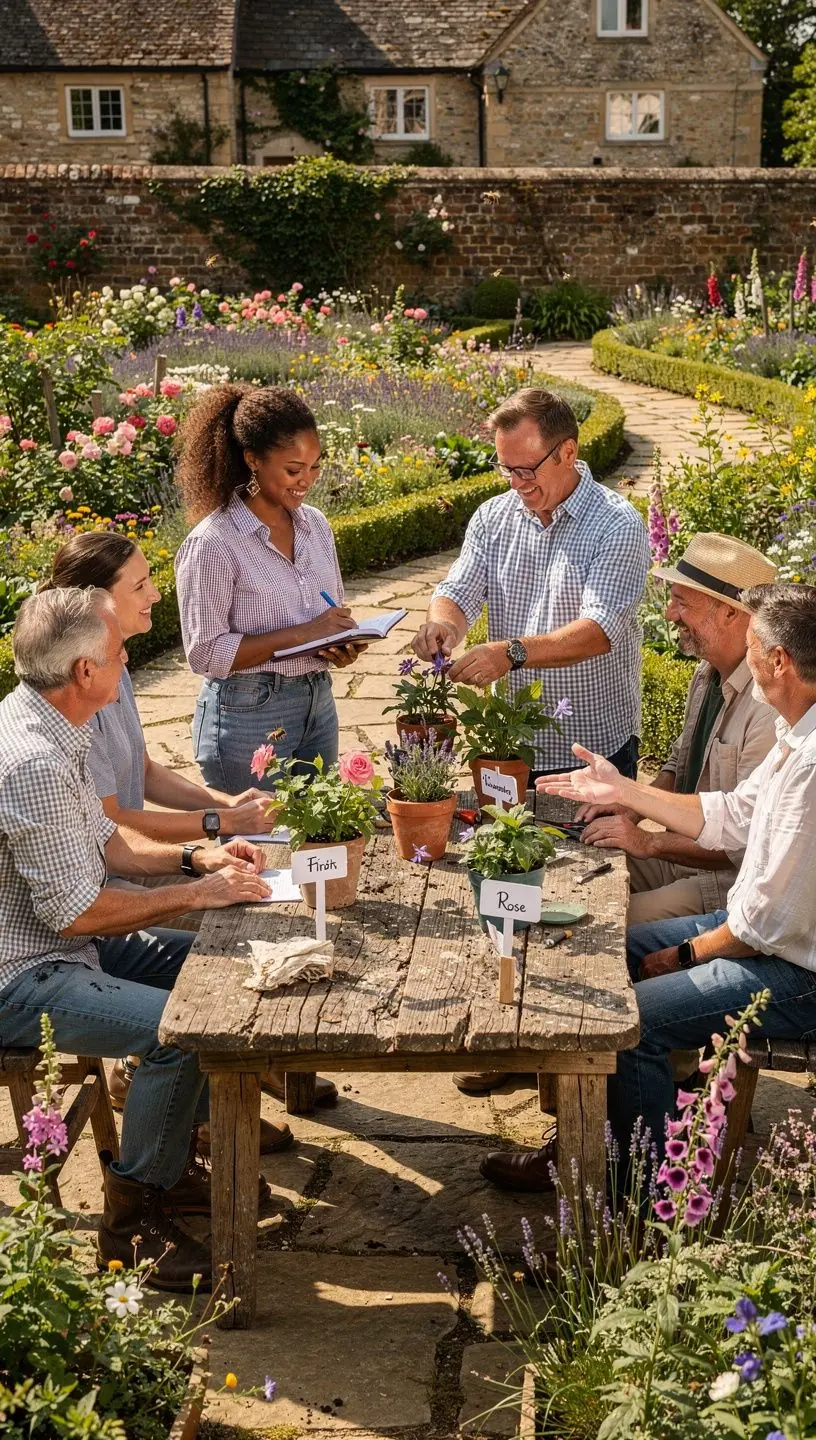
- Label Your Plants: Clearly label all plants you are exchanging. Include the plant name, care requirements, and any potential issues. This transparency helps others make informed decisions and shows consideration for fellow gardeners.
How to Approach Exchanges
When you're ready to participate in a plant exchange, consider the following steps:
- Arrive Prepared: Bring extra supplies, such as pots or soil, if possible. This can help others who may not be as prepared, fostering a spirit of sharing and cooperation.
- Communicate Openly: Engage in conversations about the plants you're exchanging. Sharing care tips and experiences can enhance the community feel and enrich everyone’s gardening knowledge.
- Be Respectful: Remember that not everyone will have the same plants or levels of expertise. Approach exchanges with humility and respect, as not all participants may have prior knowledge of all plant care practices.
Common Mistakes to Avoid
Avoiding certain pitfalls can make your plant exchange experience more fruitful:
- Neglecting Plant Health: As mentioned, bringing plants that are diseased or infested can ruin the experience for others. Regularly check your plants and practice good gardening hygiene.
- Ignoring Community Preferences: Each gardening community may have specific preferences regarding plant types. Engaging with other members about their interests can guide you in selecting suitable plants for exchange.
- Forgetting Follow-Up: After the exchange, consider following up with fellow participants to share how the plants are doing. This practice not only strengthens community bonds but also establishes goodwill for future exchanges.
Conclusion
Understanding and practicing proper plant exchange etiquette can significantly enhance the experience for everyone involved. By adhering to these guidelines and maintaining an open and respectful approach, gardening enthusiasts can enjoy the benefits of sharing their passion while contributing positively to their local gardening community.
Learn More