How to Start a Gardening Club in Your Area
Starting a gardening club can be a fulfilling way to connect with fellow enthusiasts, share knowledge, and cultivate a love for plants. This guide will provide you with practical insights and steps to establish a successful gardening club in your area.
Understanding the Basics
Creating a gardening club typically begins with a shared passion for plants and gardening. According to research from the Royal Horticultural Society, community gardening can improve mental well-being and foster social connections. Establishing a club provides a structured environment where enthusiasts can explore these benefits together.
"Community-based gardening initiatives have shown to enhance social networks and improve personal satisfaction, according to studies by the University of Bristol."
Steps to Start Your Gardening Club
- Identify Your Objectives: Determine why you want to start the club. Is it for knowledge sharing, social interaction, or promoting sustainable gardening practices? Establishing clear objectives will guide your club’s activities.
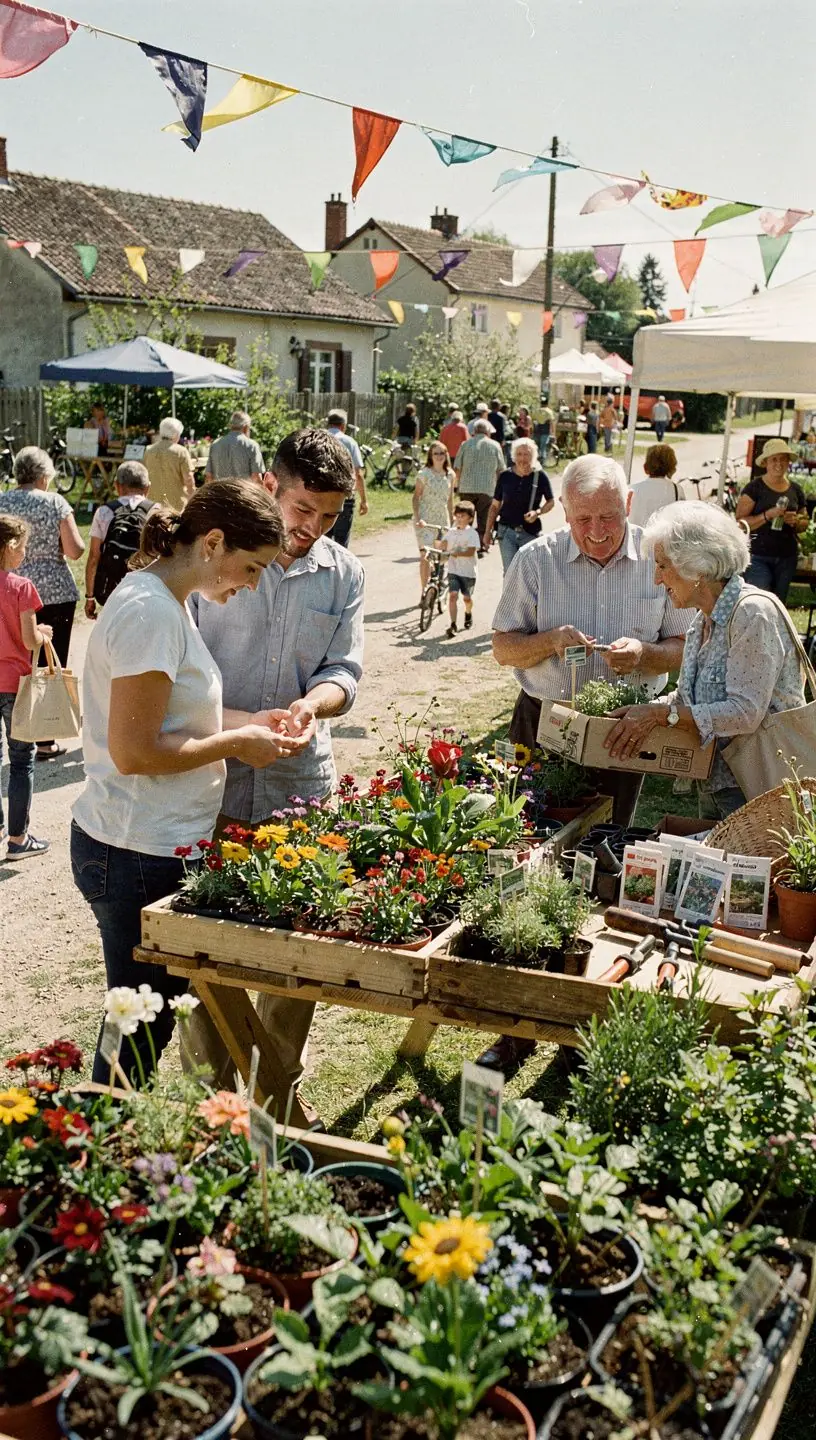
- Gather Interested Individuals: Reach out to your local community through social media, community boards, or local events. Many users report success by organizing informal meet-ups to gauge interest.
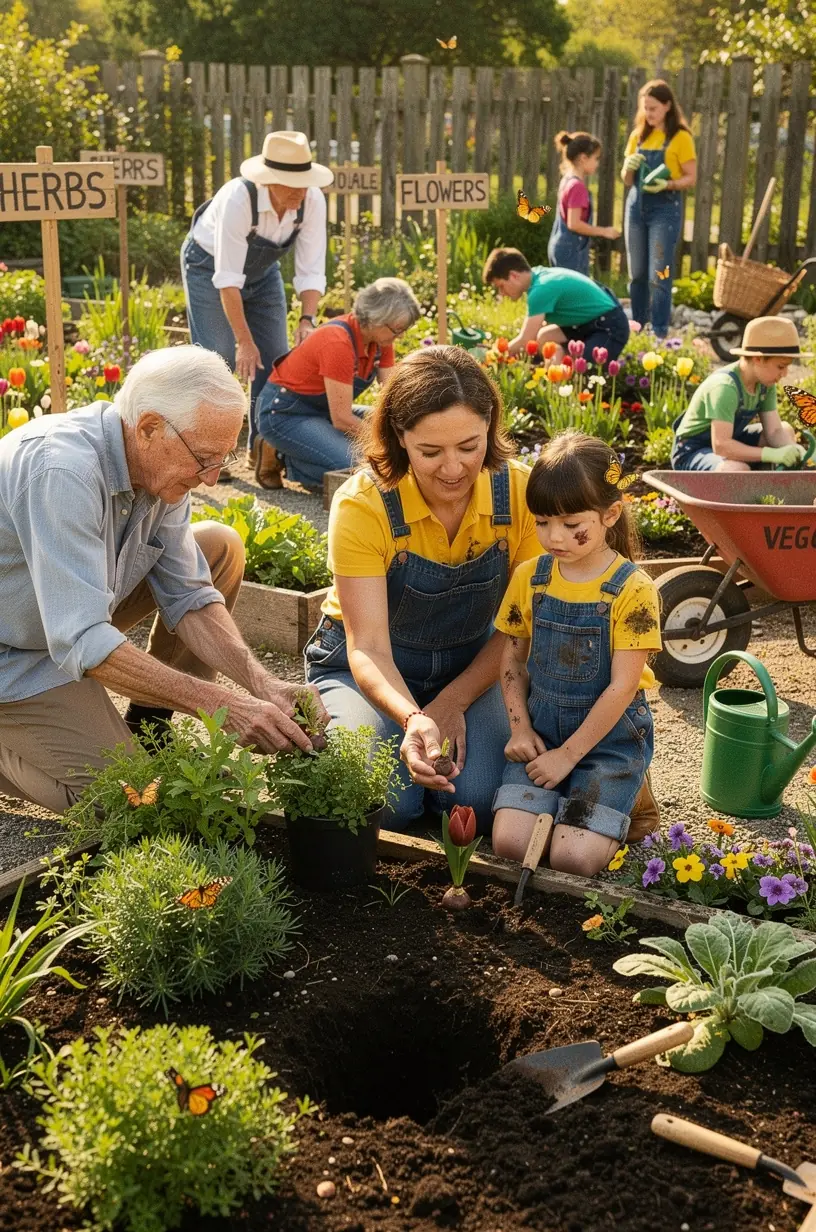
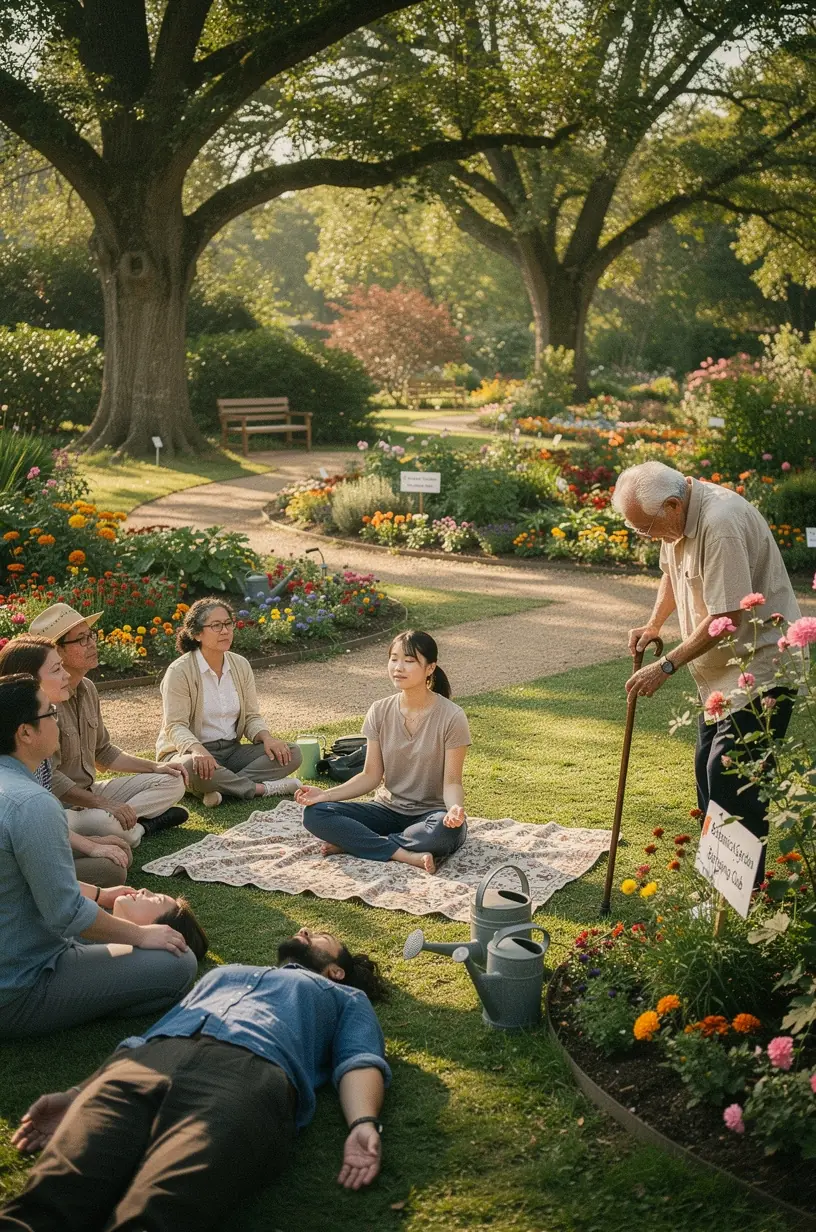
- Decide on a Location: A physical space is essential for meetings and workshops. Look for community gardens, local parks, or even members' backyards. According to experts, meeting in a natural setting often enhances engagement.
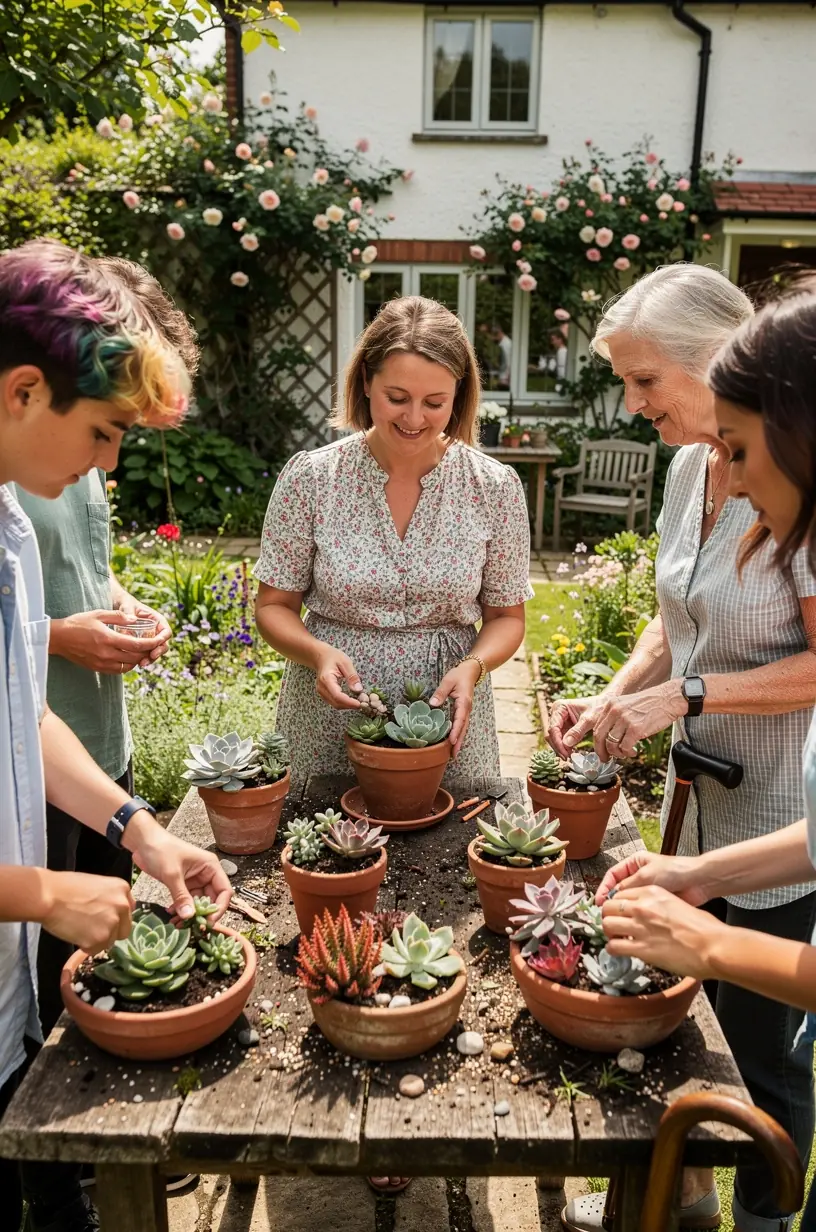
- Plan the Activities: Consider organizing seasonal workshops, plant exchange events, or discussion groups. Industry experts suggest that varied activities can keep members engaged and encourage participation.
- Establish a Communication Channel: Utilize platforms like Facebook Groups or WhatsApp to facilitate ongoing conversations. Regular communication can help in planning events and sharing helpful gardening tips.
Considerations for Success
Starting a gardening club requires time and dedication. Typically, it might take 2-4 weeks to organize initial meetings and establish a routine. Here are some important aspects to consider:
- Time Commitment: Regular meetings and events will require members to dedicate time. Be clear about expectations from the outset to avoid misunderstandings.
- Inclusivity: Ensure that your club welcomes individuals of all skill levels. This approach fosters a supportive environment where everyone can learn and grow together.
- Learning Opportunities: Members may benefit from expert talks or inviting local horticulturists to share their knowledge. Research indicates that learning from experts can significantly deepen members' understanding of gardening practices.
Conclusion
Starting a gardening club can be an enriching experience that brings together like-minded individuals to share their passion for gardening. By following these practical steps and setting clear expectations, you can cultivate a thriving community that supports learning and connection. Remember, the journey of building a gardening club takes time, but the rewards of friendship and shared knowledge can be well worth the effort.
Learn More